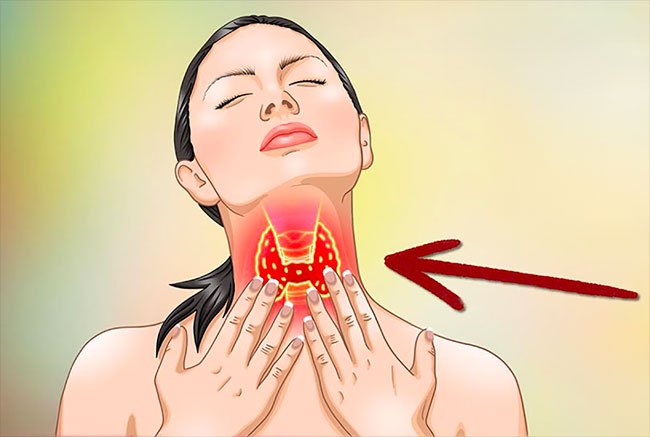
Here are five vitamins and nutrients that research most commonly links to thyroid function, especially for people with hypothyroidism or Hashimoto’s disease. These nutrients support thyroid health, but they are not replacements for prescribed thyroid medication like levothyroxine.
I’ll explain what each vitamin does, how deficiency affects thyroid health, and natural food sources — in a safe, evidence-based way.
🧠 5 Vitamins & Nutrients Important for Hypothyroidism & Hashimoto’s
⭐ 1. Vitamin D
Why it matters
-
Low vitamin D is very common in Hashimoto’s.
-
It supports immune regulation and may help reduce thyroid antibodies.
Signs of deficiency
-
Fatigue
-
Low mood
-
Frequent infections
Food sources
-
Fatty fish (salmon, mackerel)
-
Egg yolks
-
Fortified milk
(Many people need supplements because food sources are limited—your doctor can test your levels.)
⭐ 2. Selenium
Why it matters
-
Selenium is essential for converting T4 → T3, the active thyroid hormone.
-
Has antioxidant effects that may protect thyroid tissue.
Food sources
-
Brazil nuts (1–2 nuts per day is enough)
-
Tuna, sardines
-
Eggs
-
Sunflower seeds
⚠️ Do NOT megadose selenium — too much is toxic.
⭐ 3. Vitamin B12
Why it matters
-
Deficiency is common in hypothyroidism and can worsen:
-
Fatigue
-
Nerve pain
-
Brain fog
-
-
Helps with energy metabolism.
Food sources
-
Meat, poultry, fish
-
Dairy
-
Nutritional yeast (fortified)
Vegans may need supplements.
⭐ 4. Iodine (Only if You Are Truly Deficient)
Why it matters
-
The thyroid needs iodine to make hormones.
-
But too much iodine can worsen Hashimoto’s, so supplementation should be cautious.
Safe food sources
-
Seaweed (in small quantities)
-
Iodized salt
-
Dairy
⚠️ Do NOT take iodine pills unless confirmed deficient by a healthcare provider.
⭐ 5. Zinc
Why it matters
-
Works with selenium in hormone conversion (T4 → T3).
-
Supports immune health and may help subclinical hypothyroidism.
Food sources
-
Beef, chicken
-
Pumpkin seeds
-
Chickpeas
-
Cashews
🧂 Bonus nutrients (also important)
✔ Iron — deficiency reduces thyroid hormone production
✔ Magnesium — supports energy, sleep, and thyroid enzyme function
✔ Omega-3s — anti-inflammatory support for autoimmune thyroiditis
⚠️ Important Safety Notes
-
These vitamins support thyroid function but do NOT replace thyroid medication.
-
Hashimoto’s is autoimmune, so balance — not megadosing — is key.
-
Ask your doctor for blood tests before starting supplements, especially:
-
Vitamin D
-
B12
-
Ferritin (iron)
-
Selenium
-
Iodine
-
If you want, I can create:
👉 A food-based meal plan for hypothyroidism
👉 A list of foods to avoid with Hashimoto’s
👉 A vitamin dosing guide (safe ranges only)
👉 A shopping list for thyroid-friendly eating
Which would you like?
