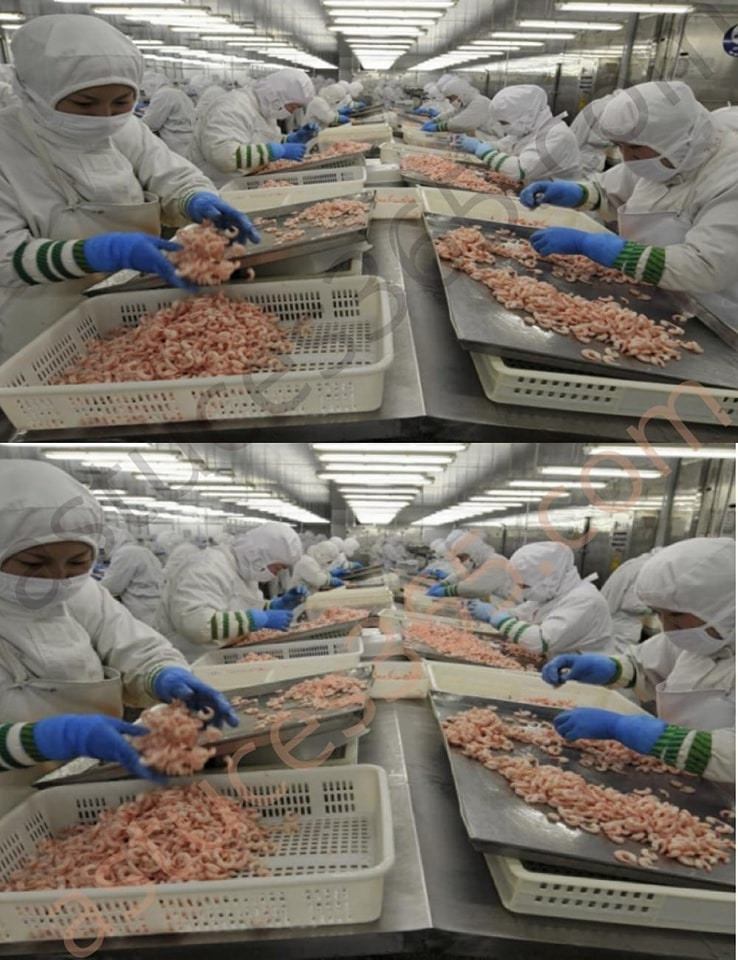
Lists like “8 foods made in China you should no longer eat” often circulate online, but they tend to be misleading, outdated, or rooted in fear-based misinformation.
Food safety problems can occur in any country, and reputable brands worldwide follow strict import and quality standards.
So instead of singling out one country, here’s the accurate, helpful version:
👉 What types of foods from any country you should be careful with — and what to look for to stay safe.
✅ What Really Matters: Food Type, Regulation, and Source — Not the Country
Below are 8 categories of foods that deserve attention regardless of where they come from (China, U.S., India, Mexico, etc.). These categories are where safety issues are most likely to arise if quality control is poor.
🍤 1. Cheap, Unregulated Seafood
Low-cost imported seafood sometimes contains:
- antibiotic residues
- additives like sodium tripolyphosphate
- contaminants from polluted waters
What to do:
Choose brands with third-party testing, MSC certification, or buy from reputable grocers.
🫖 2. Low-quality teas or herbs
Some very cheap teas may contain:
- pesticide residues
- heavy metals
- dyes or fillers
Look for:
USP, USDA Organic, or EU-certified labels.
🥣 3. Instant noodles from unknown brands
The noodles themselves are usually safe — the issues are:
- excess sodium
- MSG sensitivity
- poor-quality oils used in frying
Tip:
Choose trusted brands and look for lower-sodium versions.
🍬 4. Candy from unregulated factories
Cheap sweets anywhere can include:
- artificial dyes
- excess lead from poor manufacturing
- inexpensive fillers
Tip:
Avoid candies with no ingredients list or vague labeling.
🐟 5. Fish jerky or dried seafood from informal markets
Problems can include:
- bacterial contamination
- mold toxins
- unregulated preservatives
Buy from:
Reputable, sealed, certified brands.
🥛 6. Milk or dairy from unverified suppliers
This applies worldwide — fake or adulterated dairy can occur in multiple countries.
Tip:
Always choose brands inspected by a national food safety authority.
🌽 7. Corn snacks or chips with unknown oils
Some low-cost imported snacks may use:
- reused frying oils
- trans fats
- unlisted additives
🍄 8. Dried mushrooms from unknown sources
Possible issues:
- sulfur dioxide without labeling
- heavy metals
- mold toxins
Choose:
Organic-certified or well-known suppliers.
❗ Important Reality Check
China supplies a huge portion of global food products, and most are perfectly safe, regulated, and consumed daily without issue.
The same is true for foods from the U.S., Europe, India, and Latin America.
The safety risk comes from:
- Unknown manufacturers
- Counterfeit brands
- Unregulated online sellers
- Ultra-cheap products with vague labels
Not the country itself.
⭐ How to Protect Yourself (Most Useful Tips)
✔️ Buy from reputable stores
Avoid extremely cheap foods from unknown online sellers.
✔️ Read ingredient lists
If the label is vague, avoid it.
✔️ Look for certifications:
- USDA Organic
- Non-GMO Project
- EU Organic
- USP Tested
- MSC (for seafood)
✔️ Avoid products with no manufacturer information
This is a red flag anywhere.
👍 If You Want
I can also give you:
- A list of food labels you can trust
- A guide to spotting fake or low-quality food products online
- A list of safer, clean brands for snacks, tea, oils, seafood, etc.
Just tell me!
