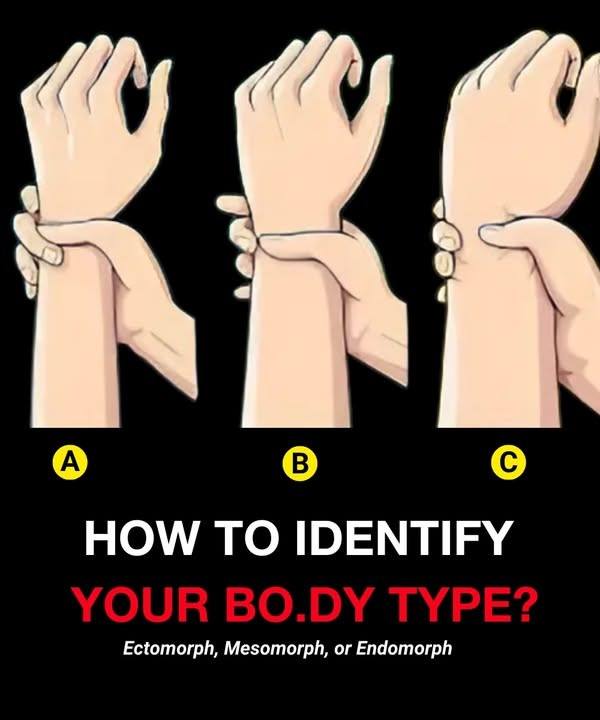
The idea of body types—ectomorph, mesomorph, and endomorph—comes from an old theory called somatotyping. It’s popular in fitness culture, but in modern science it’s considered an oversimplification. Most people are actually a mix of all three, not a single fixed type.
Still, here’s what each one means in simple terms:
🧍♂️ The 3 Body Types Explained
🦴 1. Ectomorph (naturally thin)
Typical traits:
- Slim frame, narrow shoulders
- Fast metabolism
- Hard to gain weight or muscle
Common experience:
- “I eat a lot but don’t gain weight”
Training focus:
- Strength training
- Higher calorie intake
- Rest and recovery
💪 2. Mesomorph (naturally athletic)
Typical traits:
- Broad shoulders, muscular build
- Gains muscle easily
- Low to moderate body fat
Common experience:
- Responds quickly to training
Training focus:
- Balanced strength + cardio
- Maintain diet consistency
🍐 3. Endomorph (naturally heavier build)
Typical traits:
- Wider body, stores fat easily
- Slower metabolism (generally)
- Gains weight easily, muscle too
Common experience:
- “I gain weight quickly even if I eat moderately”
Training focus:
- Cardio + strength training
- Calorie control
- Consistent activity
⚠️ What science says today
Modern exercise science agrees:
- Body types are not fixed categories
- Genetics, hormones, lifestyle, and diet matter much more
- Most people are a combination (e.g., ecto-mesomorph)
🧠 Why this concept is still popular
- Easy to understand
- Helps beginners think about body differences
- Useful as a general guide, not a rule
🏋️ Real takeaway
Instead of focusing on “type,” focus on:
- Protein intake
- Strength training
- Daily activity
- Sleep and recovery
- Calorie balance
🧾 Bottom line
Body types like ectomorph, mesomorph, and endomorph are useful labels but not strict science. Your body can change significantly with training, diet, and lifestyle.
If you want, I can help you:
👉 identify your actual body composition
👉 or create a custom diet + workout plan based on your goal (fat loss, muscle gain, etc.)
