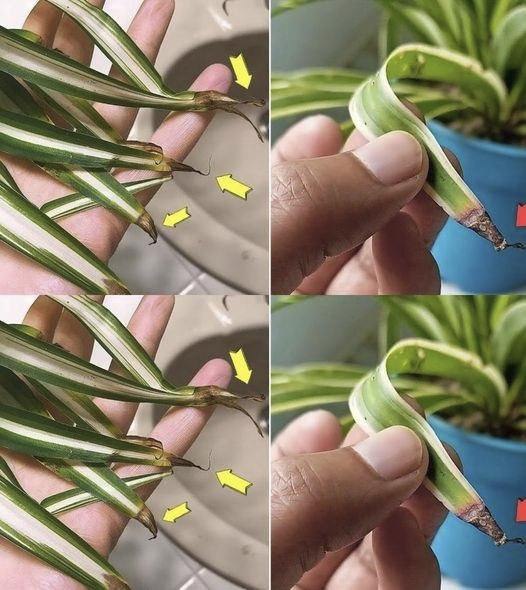
When the tips of herbaceous plants turn brown, it’s usually a sign of stress rather than a single specific disease. The most common causes are tied to water, nutrients, or environmental conditions:
1. Water issues (most common)
- Underwatering: The plant can’t supply enough moisture to the leaf tips, so they dry out and turn brown.
- Overwatering: Surprisingly, too much water can suffocate roots, reducing their ability to absorb oxygen and nutrients—leading to browning tips.
2. Salt buildup in soil
- Excess fertilizer or minerals from hard water accumulate in the soil. These salts draw water out of root cells (via osmosis), causing tip burn.
3. Nutrient imbalance
- Deficiencies (like potassium) or excess nutrients can damage leaf tissue, especially at the tips where stress shows first.
4. Low humidity / dry air
- Many herbaceous plants (especially tropical ones) lose moisture quickly in dry air, leading to crispy brown edges.
5. Chemical sensitivity
- Chlorine, fluoride, or other chemicals in tap water can harm sensitive plants, causing tip browning.
6. Heat or light stress
- Too much direct sun or high temperatures can scorch delicate leaf tips.
7. Root damage or restricted roots
- Root-bound plants or those with damaged roots can’t properly absorb water, leading to tip dieback.
What you can do:
- Water consistently (not too dry, not soggy).
- Flush the soil occasionally to remove salt buildup.
- Use filtered or rainwater if your tap water is harsh.
- Increase humidity if the air is dry.
- Check drainage and repot if roots are crowded.
If you want, tell me the specific plant you’re dealing with—I can narrow down the most likely cause.
