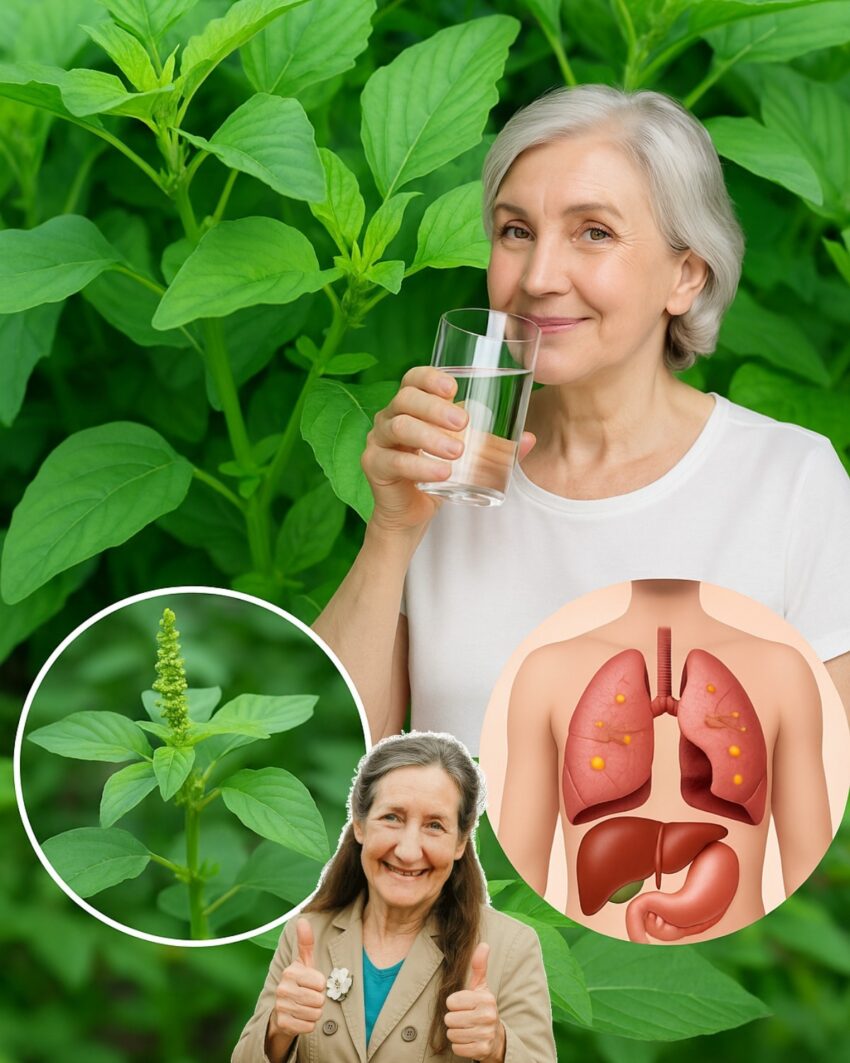
Amaranth is getting attention again — and for good reason. It’s an ancient grain + leafy green that’s been eaten for thousands of years in Central and South America, and modern nutrition research fully supports why it deserves the “supergreen” title.
Here’s a clear, evidence-based rundown of why amaranth is worth adding to your meals:
🌱 Amaranth: The Ancient Supergreen You Should Be Eating More Of
Amaranth comes in two edible forms:
-
Amaranth leaves (the “supergreen”)
-
Amaranth seeds (the “pseudograin”)
Both offer unique benefits.
🥬 1. Extremely Nutrient-Dense Leaves
Amaranth greens are richer than spinach in several nutrients:
-
Vitamin C – boosts immunity
-
Vitamin K – supports bones and blood clotting
-
Vitamin A – essential for eyes and skin
-
Calcium + Magnesium – great for bone health
-
Iron – supports red blood cell production
They’re considered one of the top leafy greens in global nutrition studies.
💪 2. Complete Plant Protein
Amaranth seeds contain all 9 essential amino acids, including lysine — rare for plants.
Great for:
-
Vegetarians
-
Vegans
-
Anyone reducing meat
🌾 3. Naturally Gluten-Free
People with celiac disease or gluten sensitivity can enjoy it safely.
🫀 4. Supports Heart Health
Amaranth is high in fiber, magnesium, and phytonutrients that help:
-
Lower LDL cholesterol
-
Improve circulation
-
Support healthy blood pressure
Animal studies show amaranth oil can significantly reduce cholesterol levels.
🍽️ 5. High in Antioxidants
Amaranth contains:
-
Rutin
-
Gallic acid
-
Quercetin
These help protect cells from inflammation and oxidative stress.
🍚 6. Great for Digestion
Its seeds and leaves offer both soluble and insoluble fiber, which helps:
-
Support gut bacteria
-
Improve regularity
-
Reduce bloating
🧠 7. Rich in Minerals for Brain & Nerve Function
High magnesium and B vitamins support:
-
Nerve relaxation
-
Stress reduction
-
Muscle function
-
Sleep quality
🌿 8. Easy to Use in Everyday Meals
Amaranth leaves:
-
Sauté like spinach
-
Add to soups
-
Mix into omelets
-
Blend in smoothies
Amaranth seeds:
-
Cook like quinoa
-
Add to porridge
-
Use in baking
-
Pop like popcorn for snacks
⚠️ Any Downsides?
-
Raw leaves contain oxalates, so people with kidney stones should moderate intake.
-
Seeds must be cooked well; raw amaranth is not digestible.
-
Very high intake may cause mild bloating in sensitive people.
⭐ Bottom Line
Amaranth is an ancient, underrated powerhouse—rich in protein, minerals, antioxidants, and fiber. Both the leaves and seeds can boost overall health, especially if you want nutrient-dense, gluten-free, plant-based options.
If you want, I can give you:
-
5 easy amaranth recipes
-
A comparison: amaranth vs. quinoa vs. spinach
-
A simple weekly plan to add it to your diet
