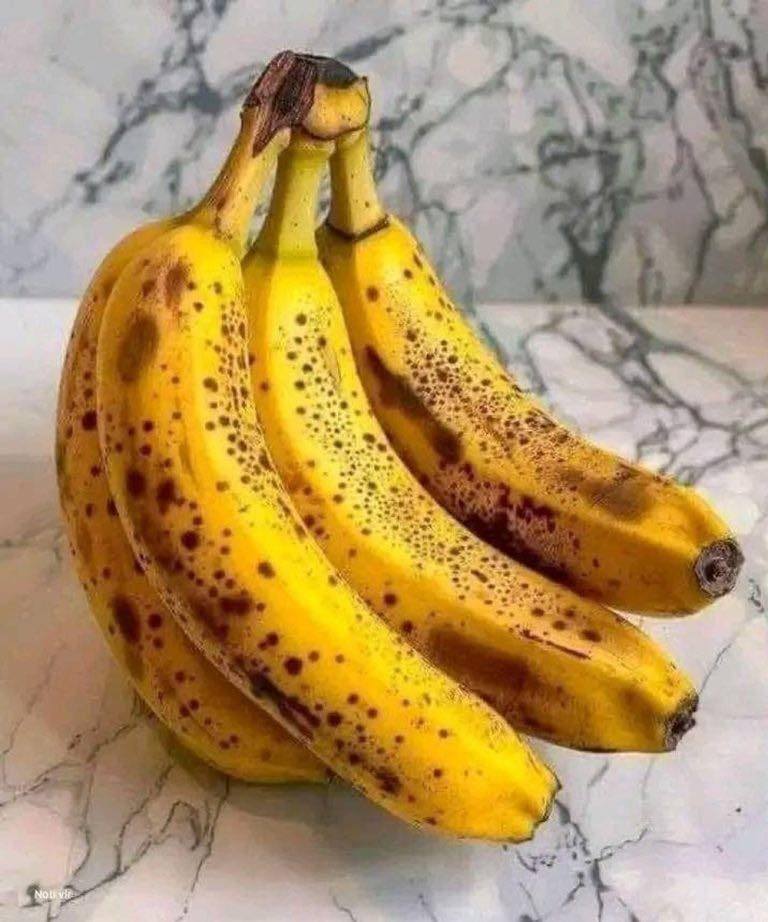
Cavendish Banana Overview
Origin & Facts
-
Named after William Cavendish, 6th Duke of Devonshire.
-
Became globally dominant in the mid-20th century after the Gros Michel banana was wiped out by Panama disease.
-
Grows in tropical regions: Latin America, the Philippines, and parts of Africa.
Appearance
-
Long, curved, and bright yellow when ripe.
-
Smooth peel, easy to remove.
-
Flesh is soft, creamy, and sweet when ripe.
Uses
-
Raw eating: A healthy snack full of natural sugars.
-
Baking: Perfect for banana bread, muffins, or pancakes.
-
Smoothies & desserts: Blends easily for creamy texture.
-
Cooking: Can be sautéed or fried in some recipes.
Nutritional Highlights (per medium banana ~118g)
-
Calories: ~105
-
Carbs: ~27 g
-
Fiber: ~3 g
-
Vitamin C: 10% DV
-
Potassium: 12% DV
-
Vitamin B6: 20% DV
Fun Fact
-
Cavendish bananas are susceptible to Panama disease (Tropical Race 4), a fungus threatening global banana crops. Scientists are working on disease-resistant varieties to replace them in the future.
If you want, I can also give a list of delicious ways to use Cavendish bananas beyond just eating raw — from desserts to breakfast treats. Do you want that?
