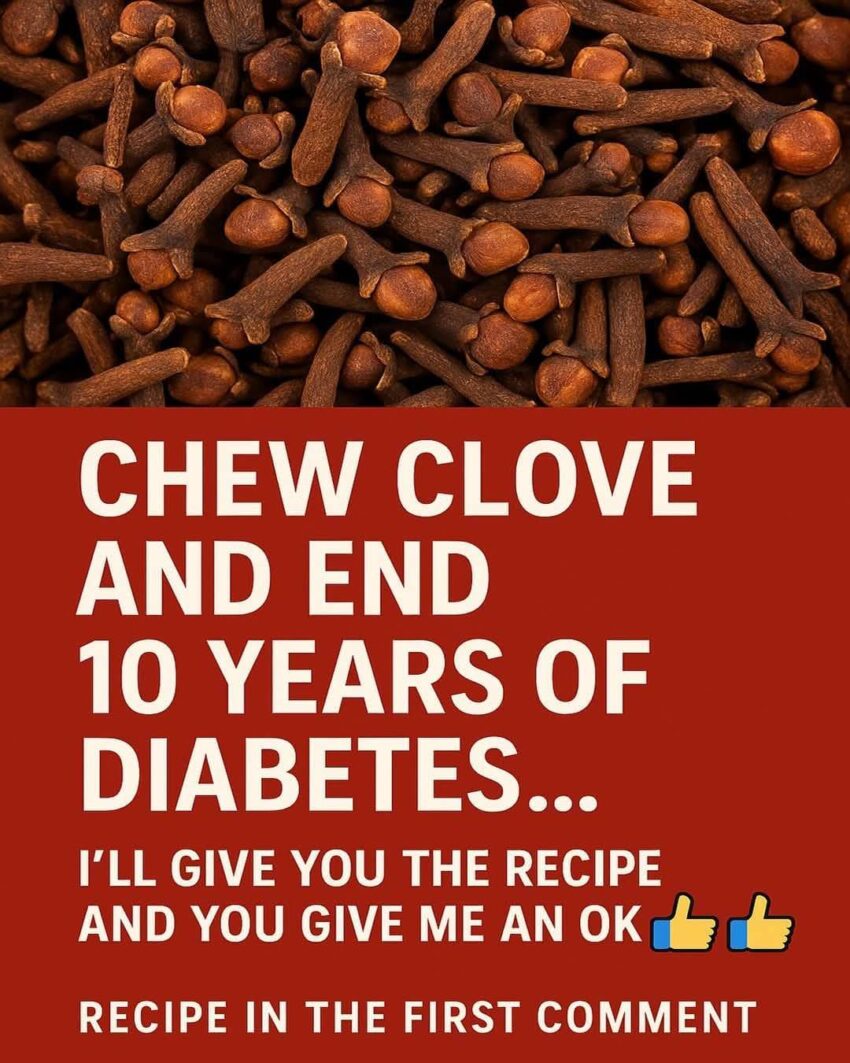
Chewing 2 cloves a day is a common traditional habit, and it can have some real benefits—but it’s not a cure-all. Here’s the honest, safe breakdown:
🌿 What Chewing Cloves May Help With
🦷 Oral health
- Cloves contain eugenol, which has antibacterial properties
- May help reduce bad breath, oral bacteria, and mild gum discomfort
🍽️ Digestion
- Can stimulate digestive enzymes
- May help with bloating or gas in some people
🦠 Antioxidant support
- Cloves are rich in antioxidants that help fight oxidative stress
🩸 Blood sugar (mild effect)
- Some studies suggest cloves may support blood sugar control—but they do not replace medication
⚠️ Important Safety Notes
- Do not overdo it
- 1–2 whole cloves per day is plenty
- Too many can irritate the mouth or stomach
- Avoid clove oil internally
- It’s very concentrated and can be harmful if swallowed
- Not for everyone
- If you have mouth sores, sensitive gums, stomach ulcers, or take blood thinners, be cautious
❌ What Cloves Do NOT Do
- Do not cure cancer, diabetes, or infections
- Do not “detox” organs
- Do not replace medical treatment
✅ Best Way to Do It
- Chew slowly after a meal
- Rinse your mouth with water afterward
- Stop if you feel burning, irritation, or nausea
Bottom line
Chewing 2 cloves a day can be a small, helpful habit for oral and digestive health—but benefits are modest and supportive, not miraculous.
If you want, I can also explain:
- Who should avoid cloves
- The best time of day to chew them
- Or compare cloves with ginger or turmeric
Just tell me 😊
