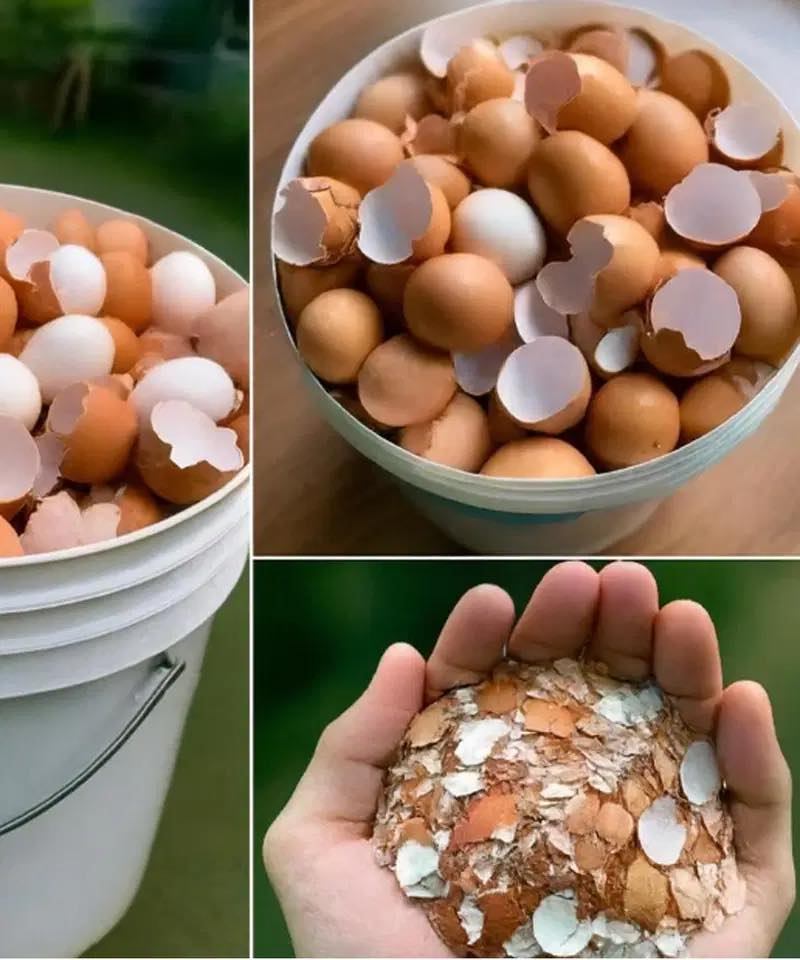
Great question 🌱 — crushed eggshells are an excellent (and free!) resource for your garden! They add minerals, deter certain pests, and can even improve soil structure when used correctly. Here’s how and why to use them:
🥚 Using Crushed Eggshells in the Garden
🌿 Benefits
-
Natural Source of Calcium
-
Eggshells are about 95% calcium carbonate, the same ingredient in agricultural lime.
-
Calcium helps strengthen plant cell walls and prevents issues like blossom end rot in tomatoes, peppers, and eggplants.
-
-
Soil Amendment
-
Finely crushed shells can reduce soil acidity slightly over time.
-
They improve soil structure and drainage when mixed in.
-
-
Pest Deterrent
-
Coarsely crushed shells can act as a barrier against soft-bodied pests like slugs and snails.
-
(Though this is more effective when the shells are sharp and dry.)
-
-
Compost Booster
-
Eggshells add minerals to compost without affecting nitrogen balance.
-
🧂 How to Prepare Crushed Eggshells
-
Collect Shells:
Rinse them to remove any egg residue. Let them dry on a towel or in a low oven (200°F / 90°C for 10 minutes). -
Crush or Grind:
-
For soil or compost: Crush finely by hand or pulse in a blender/food processor.
-
For pest barriers: Leave pieces coarse and sharp.
-
-
Store:
Keep a jar or container for ongoing collection — no need to refrigerate if shells are fully dry.
🌸 Ways to Use Crushed Eggshells
-
In the Soil:
Mix finely crushed shells directly into the soil before planting tomatoes, peppers, or squash.
About 1 tablespoon per plant works well. -
As a Top Dressing:
Sprinkle around the base of plants to slowly release calcium as the shells break down. -
In Compost:
Add to your compost pile or bin — they break down slowly, but that’s okay! You’ll see small bits in finished compost (they continue feeding the soil). -
For Seedlings:
Place a small amount of crushed shells in the hole before transplanting. You can also use half-shells as tiny seed starters — just fill them with soil and a seed, then plant the whole thing when ready. -
Slug & Snail Barrier:
Scatter coarse shells around plants. Keep in mind this works best when dry and freshly applied.
⚠️ Tips
-
Eggshells release nutrients slowly — think of them as a long-term soil improver, not a quick fertilizer.
-
Don’t rely on eggshells alone to correct calcium deficiencies; use balanced organic fertilizers if needed.
-
Avoid adding raw, wet shells directly to soil — they can attract animals.
Would you like me to show you how to make eggshell powder (a fine, fast-releasing version you can use as a fertilizer or supplement for houseplants)?
