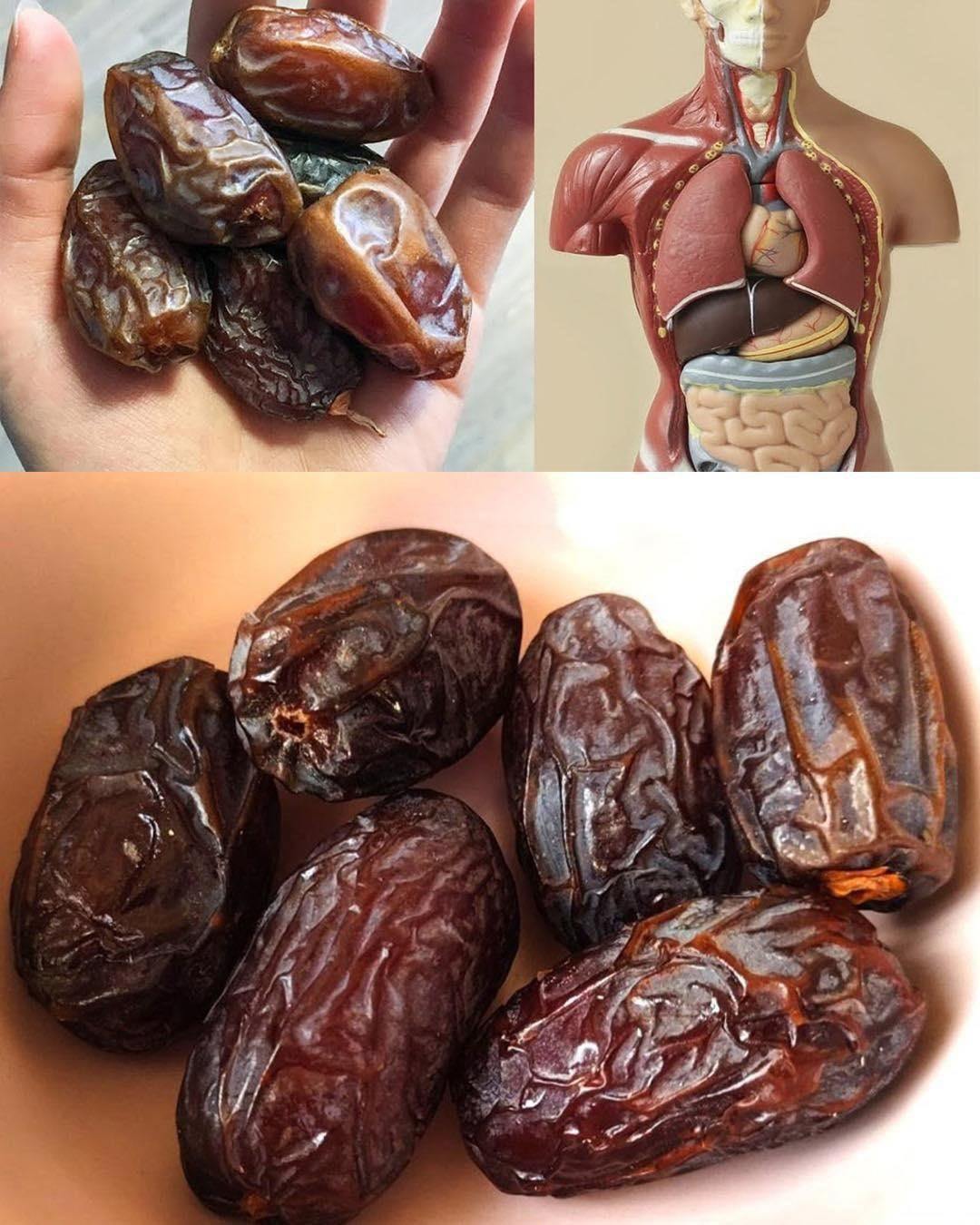
🌴 Date Palm Overview
Scientific Name: Phoenix dactylifera
Family: Arecaceae (palm family)
Origin: Middle East and North Africa
Climate: Hot, arid climates; thrives in desert conditions
Characteristics:
-
Height: Can grow 50–75 feet (15–23 meters) tall.
-
Leaves: Long, feather-like fronds up to 18 feet (5.5 meters) long.
-
Trunk: Single, columnar trunk with a rough, diamond-patterned bark.
-
Lifespan: Can live for 100 years or more.
Fruit – Dates:
-
Appearance: Oval or cylindrical, 1–3 inches long, brown to dark red when ripe.
-
Taste & Texture: Sweet, chewy, rich in natural sugars.
-
Nutritional Value: High in fiber, potassium, magnesium, and antioxidants.
-
Culinary Uses: Eaten fresh or dried, used in baking, smoothies, energy bars, and Middle Eastern dishes.
Cultivation:
-
Propagation: Usually grown from offshoots (pups) or seeds.
-
Pollination: Many date palms are dioecious, meaning separate male and female trees. Artificial pollination is common to ensure fruit production.
-
Harvesting: Fruits are harvested when fully ripe; some varieties are soft and eaten fresh, while others are dried.
Fun Facts:
-
Dates have been cultivated for over 6,000 years.
-
Date palms are symbols of peace and prosperity in many cultures.
-
The tree provides shade and shelter in desert regions, making it vital for oasis ecosystems.
If you want, I can also give a quick guide on how to grow a date palm at home or in a garden. Do you want me to do that?
