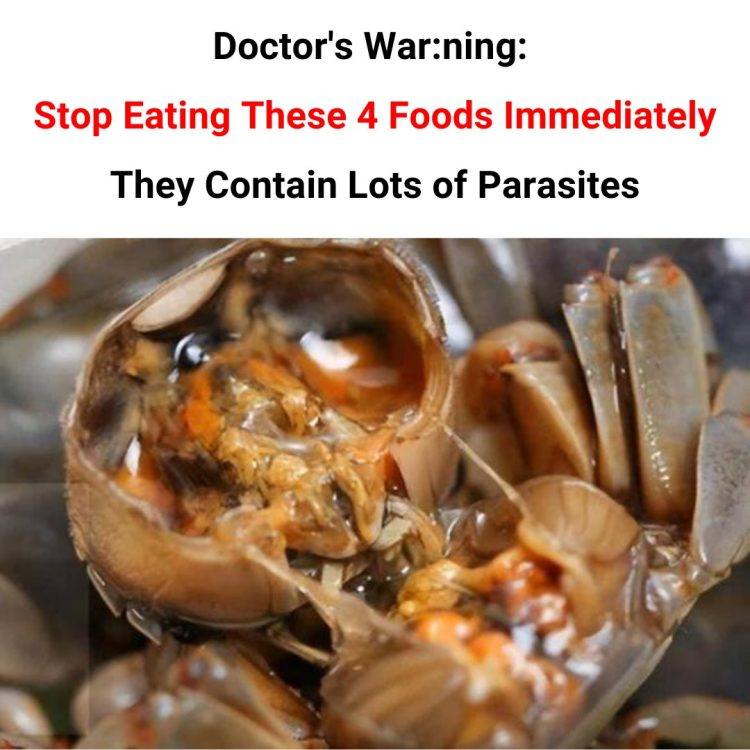
✅ What we do know: Some foods can carry parasites
-
Many parasitic infections are foodborne: certain parasites — worms, protozoa, flukes etc. — can infect humans when we eat contaminated or under-processed food. World Health Organization+2ResearchGate+2
-
Foods that are commonly listed as high-risk include raw or undercooked meat (especially pork, beef, game meat), raw or undercooked fish/seafood, unwashed fresh produce (fruits, leafy vegetables, herbs), and sometimes unpasteurized dairy. Rupa Health+2İstinye Üniversitesi+2
-
For example:
-
Eating undercooked pork or meat may expose you to parasites like tapeworms or other helminths. ResearchGate+2ScienceDirect+2
-
Raw fish and seafood (such as sashimi, ceviche, or other undercooked/uncooked dishes) have known risks of parasitic infection — including parasites that may cause serious illness. Wikipedia+2Wikipedia+2
-
Fresh fruits and vegetables — if grown or washed under unsanitary conditions — have been shown in studies to sometimes carry parasite eggs or cysts. PMC+2SpringerLink+2
-
-
International authorities and experts recognise foodborne parasites as a real public-health concern. Open Knowledge FAO+2fao.org+2
So in principle, yes — there are foods that may have a higher risk of containing parasites, especially if they’re raw or badly handled.
⚠️ What’s fishy about “viral warnings” claiming “avoid these 4 foods immediately”
-
The framing “contain a lot of parasites” is almost always exaggerated. Having a potential risk (especially under poor hygiene or cooking standards) is very different from “this food definitely has parasites.” Most properly processed, cooked, or properly washed foods are safe.
-
Many of those alarmist posts are unsourced, generalised, and sensational — they don’t cite reliable studies or health-agency guidance. For instance, I found what appears to be a social-media post with that exact headline, but it didn’t link to a reputable medical or scientific source. Facebook
-
Experts caution against overblown claims and warn that fear-mongering or “mass deworming” suggestions on social media can do more harm than good — especially if they lead people to avoid healthy foods unnecessarily, or self-medicate without cause. WBBH+1
-
Parasite risk depends a lot on how the food is handled or prepared (cooked, washed thoroughly, hygiene standards, water quality, etc.), not simply the type of food. fao.org+2ScienceDirect+2
-
For many foods — especially in regulated markets, with modern cooking and sanitation — the actual risk to a consumer in a stable city or country is often very low.
🧑⚕️ What public-health experts recommend instead of blanket bans or panic
Rather than avoiding whole categories of foods, experts recommend practical, evidence-based precautions:
-
Cook meat and fish thoroughly (use proper internal temperature if possible). World Health Organization+2MDPI+2
-
Wash fruits, vegetables, and herbs thoroughly — especially if eaten raw or uncooked. PMC+2blog.foodsafety.ca+2
-
Use pasteurized dairy and processed foods rather than raw/unpasteurized products when possible. Rupa Health+1
-
Ensure good hygiene when handling food: washing hands, clean utensils, safe water sources, avoid cross-contamination. Food Safety and Inspection Service+1
-
Be more careful (or avoid risky foods) if you belong to a vulnerable group (e.g. immunocompromised, pregnant, children, elderly) or when food comes from unknown/unsafe sources. Food Safety+1
🔎 My Take — So Should You Believe That Viral Warning?
-
It is true that some foods can carry parasites — especially if raw/undercooked or poorly cleaned.
-
But the dramatic “limit eating these 4 foods immediately” style is usually unhelpful, overly alarmist, and often lacks scientific backing.
-
The better, safer approach is to focus on safe handling, cooking, and hygiene — rather than eliminating broad categories of foods.
If you like — I can check recent (last 5 years) scientific reviews about which foods in South Asia / Pakistan specifically are most linked to parasitic contamination, to give a more local-context assessment.
Would you like me to gather that research for you now?
