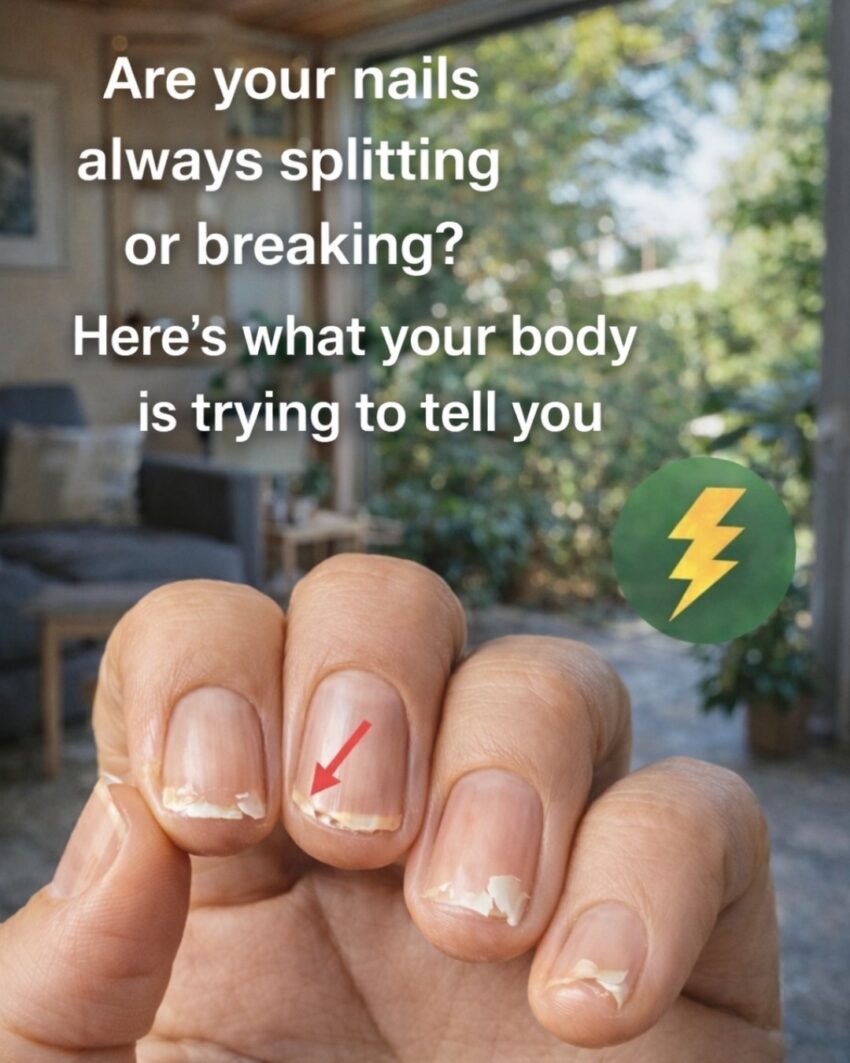
Here’s a clear, practical overview of brittle nails—why they split and break, and what you can do about it.
What are brittle nails?
Brittle nails (medically called onychoschizia when they split, and onychorrhexis when they develop ridges and break) are nails that chip, peel, crack, or snap easily. They’re very common and usually related to everyday exposures rather than serious disease.
Common causes of splitting and breaking
1. Repeated exposure to water and chemicals
- Frequent handwashing
- Dishwashing without gloves
- Cleaning products, solvents, detergents
- Nail polish remover (especially acetone)
These strip natural oils from the nail plate, making it dry and weak.
2. Dryness and dehydration
- Cold weather and low humidity
- Aging (nails naturally lose moisture over time)
- Not moisturizing nails and cuticles
Dry nails are far more likely to peel and split.
3. Physical trauma
- Using nails as tools (opening cans, scraping)
- Typing or tapping hard surfaces repeatedly
- Aggressive manicures or nail filing
- Gel, acrylic, or dip powder nails—especially improper removal
Even small, repeated trauma adds up.
4. Nutritional deficiencies
Less common, but possible contributors:
- Iron deficiency (often causes thin, spoon-shaped nails)
- Biotin deficiency (rare, but linked to nail fragility)
- Low protein intake
- Zinc deficiency
If nail brittleness appears suddenly or with other symptoms (fatigue, hair loss), nutrition or labs may be worth checking.
5. Medical and skin conditions
- Hypothyroidism
- Psoriasis or eczema affecting the nails
- Fungal nail infections (often cause thickening, discoloration, crumbling)
6. Aging and genetics
As we age, nails:
- Grow more slowly
- Become thinner
- Retain less moisture
Some people are simply genetically prone to fragile nails.
What helps strengthen brittle nails
Daily care
- Moisturize nails and cuticles at least once daily (hand cream, cuticle oil, or petroleum jelly)
- Wear gloves for cleaning and dishwashing
- Keep nails slightly shorter to reduce leverage and breakage
Nail grooming tips
- File in one direction, not back-and-forth
- Use a glass or fine-grit file
- Avoid cutting or pushing cuticles aggressively
- Limit gel/acrylic manicures and take breaks between them
Products & supplements
- Nail hardeners can help short-term but may worsen brittleness if overused
- Biotin supplements may help some people after 3–6 months, but results vary
- Use acetone-free remover when possible
When to see a healthcare provider
Consider medical evaluation if:
- Nails change suddenly or severely
- You see discoloration, thickening, or pain
- Brittle nails come with fatigue, hair loss, or skin changes
- Only one nail is affected (possible infection or trauma)
Bottom line
Brittle, splitting nails are most often caused by dryness, chemical exposure, and repeated minor trauma. Consistent protection and moisturizing usually make a noticeable difference within a few weeks.
If you’d like, I can also help you:
- Build a simple nail-care routine
- Decide whether biotin is worth trying
- Tell the difference between brittle nails vs fungal infection
- Adjust nail care based on your lifestyle or job
Just tell me 👍
