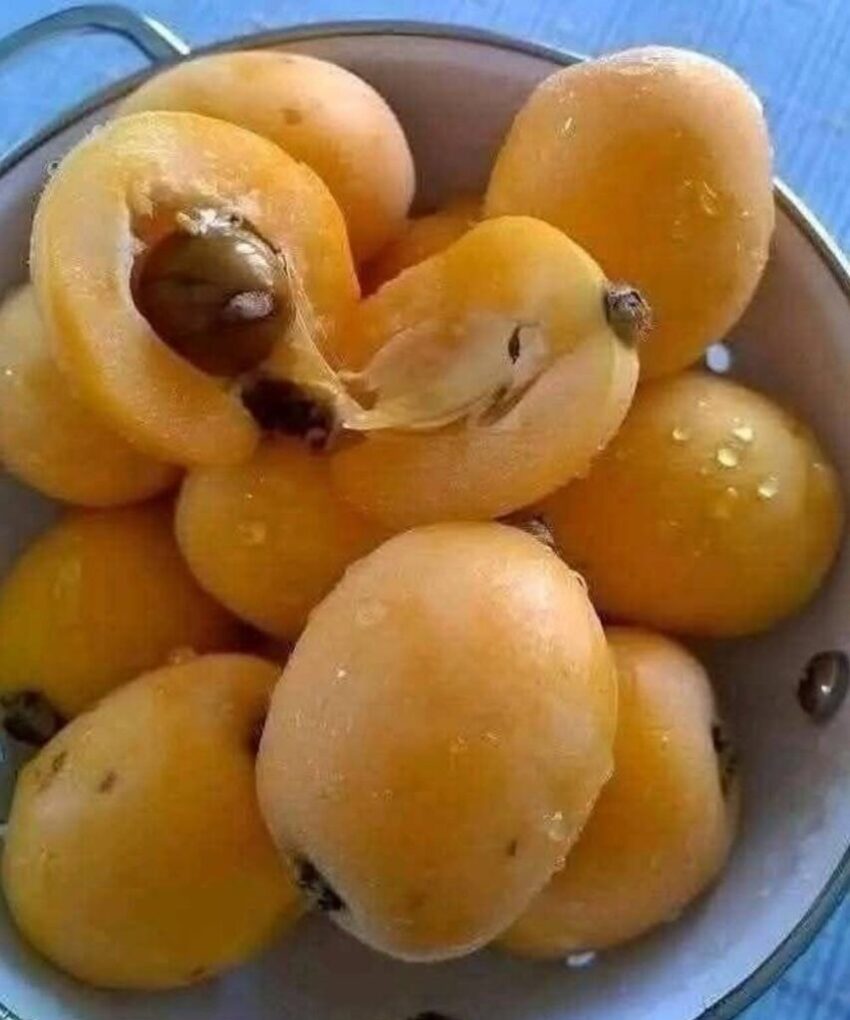
Ah, Japanese apricots — also known as ume (梅) in Japan 🍑🇯🇵. They’re not your typical sweet apricots; they’re tart, fragrant, and incredibly versatile in Japanese cuisine.
Here’s a full breakdown:
About Japanese Apricots (Ume)
- Botanical name: Prunus mume
- Taste: Very sour and astringent when raw; usually not eaten fresh
- Size & color: Small, green to yellow-orange when ripe
- Harvest season: Late spring to early summer (May–July)
Traditional Uses
- Umeboshi (pickled plums)
- Salted and fermented until wrinkly and intensely sour
- Eaten with rice, in onigiri, or as a digestive aid
- Known for strong flavor and supposed health benefits like aiding digestion
- Umeshu (plum wine / liqueur)
- Soaked in sugar and alcohol (typically shōchū or sake)
- Sweet, aromatic, and mildly tart
- Popular as an aperitif or dessert drink
- Sauces & condiments
- Ume paste or concentrate adds tartness to dressings, sauces, and marinades
- Candied or dried
- Small treats for snacking or cooking
- Often combined with green tea or rice crackers
Health Notes
- Rich in organic acids: citric acid, malic acid → may help fatigue
- Contains vitamin C
- Traditionally thought to aid digestion and liver function
⚠️ Do not eat raw unripe ume — very sour and slightly toxic before pickling or cooking.
Fun Cultural Facts
- Ume blossoms bloom in late winter, often before the cherry blossoms.
- Symbolizes resilience and perseverance in Japanese culture.
- Umeboshi is often called a “hangover helper” in Japan.
If you want, I can also give a simple recipe for homemade umeboshi, easy umeshu, or a quick sweet-sour Japanese apricot jam.
Do you want me to do that?
