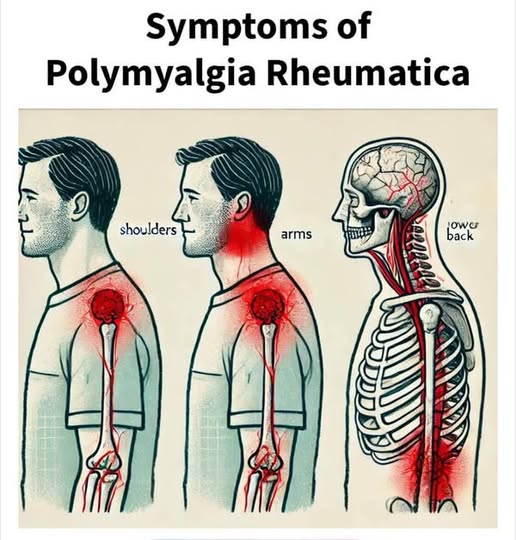
In older adults, chronic inflammatory disorders can be subtle at first but may become debilitating if ignored. These conditions include rheumatoid arthritis, polymyalgia rheumatica, lupus, and other autoimmune or systemic inflammatory disorders. Early recognition is key because timely treatment can prevent joint damage, organ involvement, and reduced quality of life.
Here are the most common warning signs:
⚠️ Warning Signs of Debilitating Inflammatory Disorders in Older Adults
1. Persistent Joint Pain or Stiffness
- Stiffness that lasts more than 30 minutes in the morning
- Pain or swelling in multiple joints (often symmetrical)
- Warmth or redness around joints
Common in rheumatoid arthritis and polymyalgia rheumatica.
2. Fatigue and Weakness
- Feeling tired all the time even after adequate rest
- Weakness that limits daily activities
- Often accompanied by low-grade fever
Chronic inflammation can sap energy and reduce muscle strength.
3. Unexplained Weight Loss or Loss of Appetite
- Losing weight without trying
- Reduced interest in food
- Can signal systemic inflammation affecting metabolism or organs
4. Swelling or Pain in Muscles or Tendons
- Pain in shoulders, hips, or thighs
- Trouble rising from a chair or combing hair
- Muscle tenderness or mild swelling
Polymyalgia rheumatica often presents this way.
5. Fever or Night Sweats
- Low-grade fevers
- Sweating at night unrelated to temperature or exercise
- Could indicate systemic inflammation or autoimmune flare
6. Skin Changes
- Rash (red, scaly, or purplish)
- Nodules near joints
- Discoloration or bruising
Seen in lupus, rheumatoid arthritis, or vasculitis.
7. Shortness of Breath or Chest Discomfort
- Inflammatory disorders can affect lungs, heart, or blood vessels
- New or worsening shortness of breath warrants immediate attention
8. Reduced Mobility or Function
- Difficulty walking or climbing stairs
- Trouble performing daily tasks
- Often worsens gradually
9. Numbness or Tingling
- Inflammation can affect nerves
- Persistent tingling in hands, feet, or limbs
10. Swollen Lymph Nodes
- Enlarged, tender lymph nodes
- Can indicate systemic autoimmune activity
🧠 Important Notes
- These symptoms overlap with aging and other chronic conditions, so they are often overlooked.
- Early evaluation by a doctor is crucial, especially a rheumatologist.
- Blood tests can help detect inflammation:
- ESR (erythrocyte sedimentation rate)
- CRP (C-reactive protein)
- Autoantibodies (e.g., rheumatoid factor, ANA)
✅ Action Steps for Older Adults
- Track symptoms and duration.
- Schedule a medical evaluation promptly if you notice multiple warning signs.
- Maintain gentle physical activity to preserve mobility.
- Eat an anti-inflammatory diet (rich in fruits, vegetables, fatty fish, nuts).
- Avoid self-medicating with over-the-counter painkillers long-term — these may mask symptoms or cause complications.
If you want, I can make a compact checklist of the top 10 inflammatory warning signs that older adults can keep at home and show a doctor — easy to track day by day.
Do you want me to make that?
