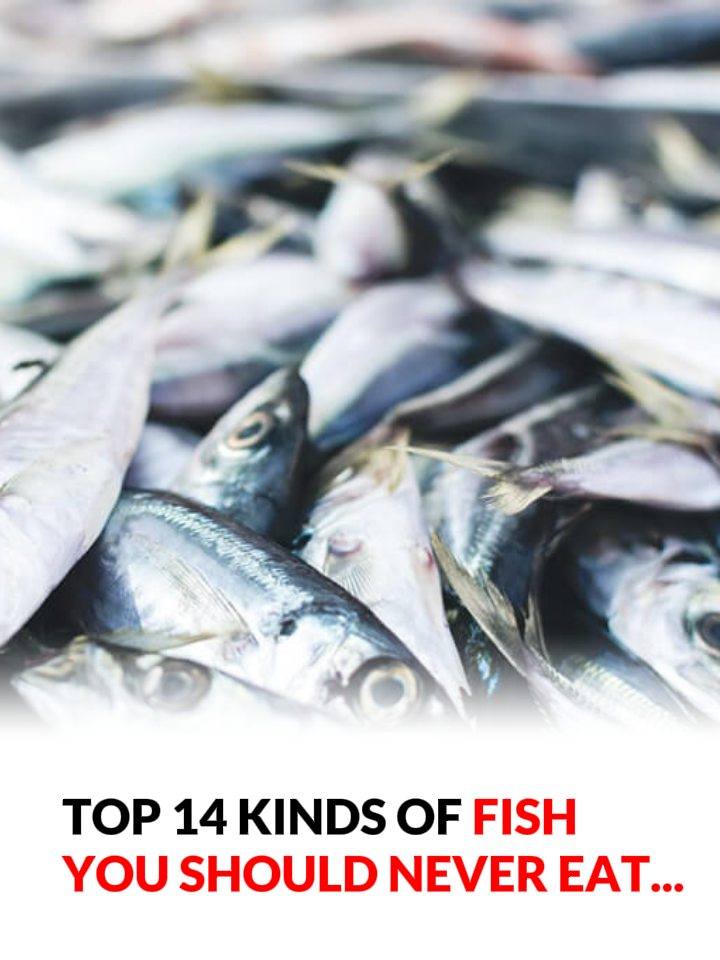
Here’s a straight‑talk, science‑based health alert about why some fish can be dangerous or should be limited — and what you need to know before eating them 👇
⚠️ 1. Mercury Contamination
Some fish accumulate high levels of methylmercury, a toxic metal that can harm the brain, nervous system, and organs when eaten in large amounts over time.
- High‑mercury fish to avoid or limit:
- Shark
- Swordfish
- King mackerel
- Tilefish
- Bigeye tuna
These tend to concentrate mercury because they’re top predators and live longer. (Healthline)
📌 Why it matters: Mercury can affect neurological and cardiovascular health, especially in children, pregnant women, and frequent fish eaters. (Healthline)
⚠️ 2. Ciguatera Fish Poisoning (CFP)
Certain reef‑associated tropical fish can contain ciguatoxins, which cannot be removed by cooking, freezing, or cleaning. (State of Alaska | Department of Health)
High‑risk species include:
- Barracuda
- Grouper
- Snapper
- Amberjack
- Spanish mackerel
- Moray eel
These fish bioaccumulate toxins from algae in coral reef environments. (Food Safety and Quality Institute)
📌 Important: You can’t tell if a fish has ciguatoxin by smell, taste, or appearance — and eating even a small amount can cause serious poisoning. (State of Alaska | Department of Health)
Symptoms may include:
- Nausea, vomiting
- Diarrhea
- Tingling or numbness of lips/limbs
- Muscle weakness
- Low blood pressure or slow heartbeat in serious cases
In rare cases, it can be life‑threatening. (Healthdirect)
🔎 3. Local Fish Advisories
Fish from lakes, rivers, or coastal waters can also be unsafe due to pollutants like PFAS or PCBs.
- Example: Officials in parts of New York warned people not to eat any fish from certain lakes and creeks due to high PFOS chemical levels. (CBS News)
- Many regions issue fish consumption advisories — meaning some local fish should be eaten in limited amounts or avoided entirely. (National Park Service)
🧠 What You Should Know Before It’s Too Late
🚫 Don’t assume all fish are safe
Even fish that look healthy and smell fine can contain biotoxins or heavy metals that cooking won’t remove. (State of Alaska | Department of Health)
⚖️ Pregnant women & children are especially vulnerable
Mercury and ciguatoxins pose greater risks to developing brains and fetuses. (Healthline)
🦠 Prevention
- Avoid large predatory fish with known mercury risks. (Healthline)
- Avoid large reef fish from tropical waters to reduce ciguatoxin exposure. (Healthdirect)
- Check local fish advisories before eating fish caught from local waters. (National Park Service)
- Be cautious eating fish head, liver, guts or roe — toxins often concentrate there. (State of Alaska | Department of Health)
🐟 Final Bottom Line
Fish is usually healthy, but certain species carry real risks due to mercury and naturally occurring toxins. Always choose fish lower on the food chain (like salmon, sardines, tilapia) and heed regional advisories to protect your long‑term health. (Healthline)
If you want, I can give a safe list of fish that are healthiest to eat and low in contaminants — tailored to your diet and location. Would you like that?
