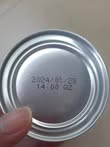
Here’s a clear, simple guide to what food expiration dates really mean — because most people misunderstand them. And yes, a LOT of perfectly good food gets thrown out because of confusion.
Let’s break it down 👇
🗓️ 1. “Expiration Date” Usually Doesn’t Mean the Food Is Unsafe
In most countries (including the U.S.), food date labels do NOT indicate safety — they’re mostly about quality.
Except for infant formula, manufacturers’ dates are not legally required and do not mean the food will make you sick after the printed date.
📌 2. What the Different Labels Actually Mean
“BEST BY” / “BEST IF USED BY”
-
Indicates quality, not safety
-
Food may be less fresh after this date but still safe to eat
“USE BY”
-
Still usually about quality, except for baby formula
-
Food won’t be harmful immediately after, but texture/flavor may change
“SELL BY”
-
For stores, not consumers
-
Helps retailers know how long to display items
-
You can typically eat the food days to weeks after this date, depending on the product
“FREEZE BY”
-
Suggests the last day for best quality before freezing
-
Has nothing to do with safety
🥫 3. Foods That Are Usually Safe Long After the Date
Shelf-stable foods (often safe for months–years):
-
Canned foods (as long as the can isn’t swollen, rusty, or damaged)
-
Dry pasta
-
Rice
-
Beans & lentils
-
Flour
-
Sugar, salt
-
Cereals
-
Crackers
-
Peanut butter
-
Chips
Refrigerated but flexible:
-
Yogurt (1–3 weeks past date)
-
Cheese (hard cheeses often last months; soft cheeses deteriorate sooner)
-
Eggs (often 3–5 WEEKS past the sell-by date)
❗ 4. When a Date Does Matter (Safety-Related Foods)
These foods can grow dangerous bacteria even if they don’t look or smell bad:
Higher-risk items:
-
Deli meats
-
Fresh-cut produce
-
Soft cheeses
-
Raw meat & poultry
-
Seafood
-
Sprouts
These should be used within recommended storage times, not the printed date alone.
👃 5. trust your senses — BUT with limits
For most foods, signs of spoilage include:
-
off smell
-
sliminess
-
mold
-
strange texture
But remember:
👉 Some dangerous bacteria do not change smell or taste (like Listeria).
This is why we treat high-risk foods more cautiously.
🧊 6. Freezing Pauses the Clock
Food frozen before or after the printed date is safe indefinitely, though taste/texture can change over time.
Freezing dramatically reduces waste.
🌎 7. Why the System Is So Confusing
Because:
-
Dates aren’t regulated (except baby formula)
-
Manufacturers set their own rules
-
Labels focus on quality, not safety
-
People assume “expired” means “dangerous”
Up to 40% of U.S. food waste comes from misunderstanding date labels.
✅ Bottom Line
Most date labels tell you when food is at its BEST, not when it becomes unsafe.
Use the printed date as a guideline, and rely on:
-
proper storage
-
food handling
-
sensory checks
-
knowledge of high- vs low-risk foods
If you want, I can also give you:
🍎 A list of foods that last WAY longer than you think
🧊 A fridge & freezer storage chart
🥫 A “when to toss it” cheat sheet
Just tell me!
