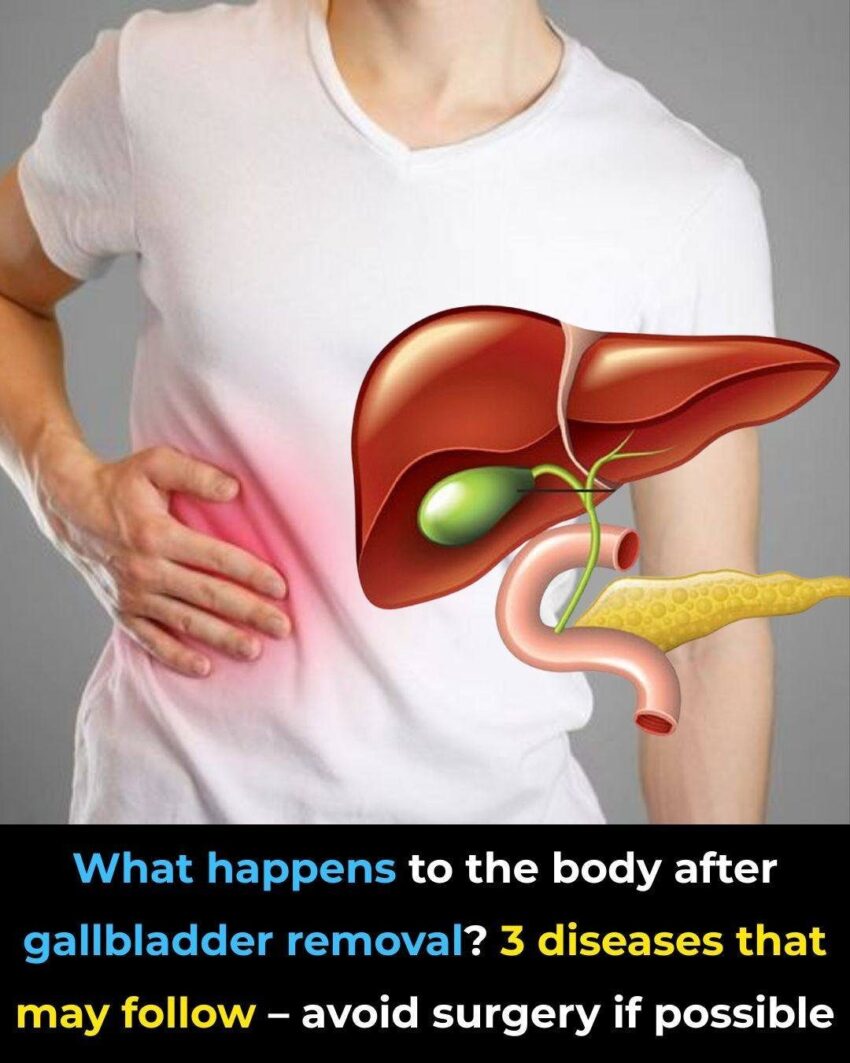
After gallbladder removal surgery (called a Cholecystectomy), your body can still digest food — but bile flows differently. Most people recover fully and live normally, though some temporary (and occasionally long-term) changes can occur.
🟢 What the Gallbladder Normally Does
The gallbladder stores and concentrates bile made by the liver.
When you eat fatty food, it releases bile to help digest fats.
Without it:
- Bile flows continuously from the liver into the small intestine.
- There’s no “storage tank” to release a large burst when needed.
🔄 What Happens After Removal
1️⃣ Digestion Still Works
Your liver still makes bile.
Most people digest food normally after recovery.
2️⃣ Temporary Diarrhea (Common Early On)
Some people experience:
- Loose stools
- Urgency after meals
- Bloating
This usually improves within weeks to months.
Why?
Continuous bile flow can irritate the intestines slightly.
3️⃣ Difficulty With High-Fat Meals
Very fatty meals may cause:
- Cramping
- Diarrhea
- Indigestion
Eating smaller, lower-fat meals often helps.
4️⃣ Mild Bloating or Gas
Some notice temporary digestive sensitivity during adjustment.
5️⃣ Long-Term Effects (Less Common)
A small percentage develop:
- Chronic diarrhea (called bile acid diarrhea)
- Increased sensitivity to greasy foods
These are treatable if persistent.
🥗 Best Diet After Gallbladder Removal
Especially during the first few months:
- Eat smaller, more frequent meals
- Limit very fatty or fried foods
- Increase soluble fiber gradually (oats, bananas, rice)
- Stay hydrated
Most people can eventually return to a normal diet.
🚨 When to See a Doctor After Surgery
Seek evaluation if you have:
- Severe abdominal pain
- Persistent diarrhea lasting months
- Fever
- Yellowing of skin or eyes
✅ Bottom Line
Life without a gallbladder is usually normal.
The body adapts — but digestion of large, fatty meals may be less efficient.
If you’d like, tell me how long it’s been since surgery and what symptoms (if any) you’re experiencing — I can tailor advice to your situation.
