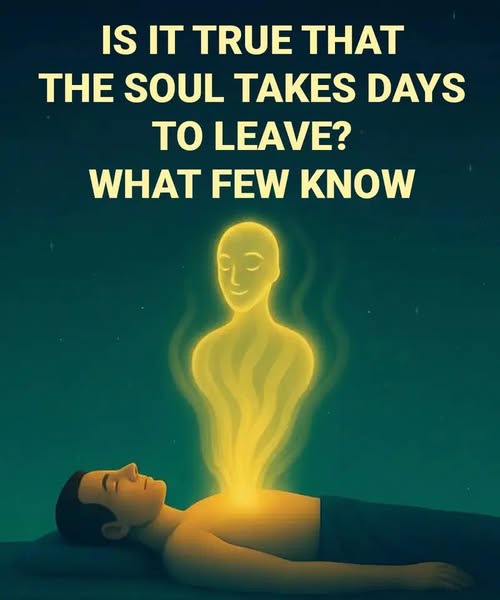
✅ 1. What happens in the brain at the moment life ends
When the heart stops, blood flow to the brain drops sharply. Studies show:
-
A surge of organized brain activity can occur in the seconds to minutes after cardiac arrest.
-
This includes high-frequency waves (gamma waves) associated with conscious perception, memory, and internal awareness.
What it means:
The brain may remain active longer than previously believed. This may explain vivid experiences reported during near-death states.
But: this is brain-based, not evidence of consciousness surviving death.
✅ 2. Near-Death Experiences (NDEs): What science observes
People who are revived from cardiac arrest sometimes report:
-
A sense of detachment from the body
-
Seeing memories or life events
-
Bright lights or tunnel-like imagery
-
Feeling peaceful or “connected”
Science views NDEs as physiological and psychological responses to extreme stress, oxygen deprivation, or brain chemistry shifts.
Possible mechanisms include:
-
Reduced oxygen (hypoxia) → visual tunnel effects
-
Brain shutting down → altered sense of time
-
Surges of neurotransmitters → vivid experiences
-
REM intrusion → dreamlike states while awake
Important: NDEs are real experiences to the person, but they are not proof that consciousness continues after death.
✅ 3. Studies of cardiac arrest survivors
Some medical studies found that a few patients had:
-
measurable brain activity
-
some level of awareness
-
or memories of events
while their heart was stopped, during active resuscitation.
But this happened only when some blood flow still reached the brain — meaning they were not biologically dead, but in a reversible state.
❌ 4. What science does not confirm
There is no scientific evidence that:
-
consciousness exists independently of the brain
-
awareness continues after biological death
-
memories, personality, or experience survive the death of brain tissue
When the brain cells die (after minutes to hours), all known neural processes that create consciousness stop permanently.
⭐ 5. The big question scientists are asking
Not “Does consciousness continue after death?”
but:
“What produces conscious experience at all?”
This leads into:
-
neuroscience
-
cognitive science
-
quantum biology (controversial)
-
theories of integrated information
-
philosophy of mind
None of these show consciousness surviving death, but they show that the nature of consciousness itself is still not fully understood.
🧠 6. Bottom line:
-
Consciousness appears to depend on the living brain.
-
Near-death experiences are vivid but explainable through brain physiology.
-
No evidence supports consciousness existing after actual biological death.
But:
The process of dying is more complex, and the brain may remain active longer than once thought — which is why near-death research continues.
If you want, I can also explain:
🔹 The top scientific theories of consciousness
🔹 What religions/philosophies say (neutral overview)
🔹 The latest near-death research findings (2024–2025)
🔹 What happens to the brain moment by moment as it shuts down
Just tell me!
