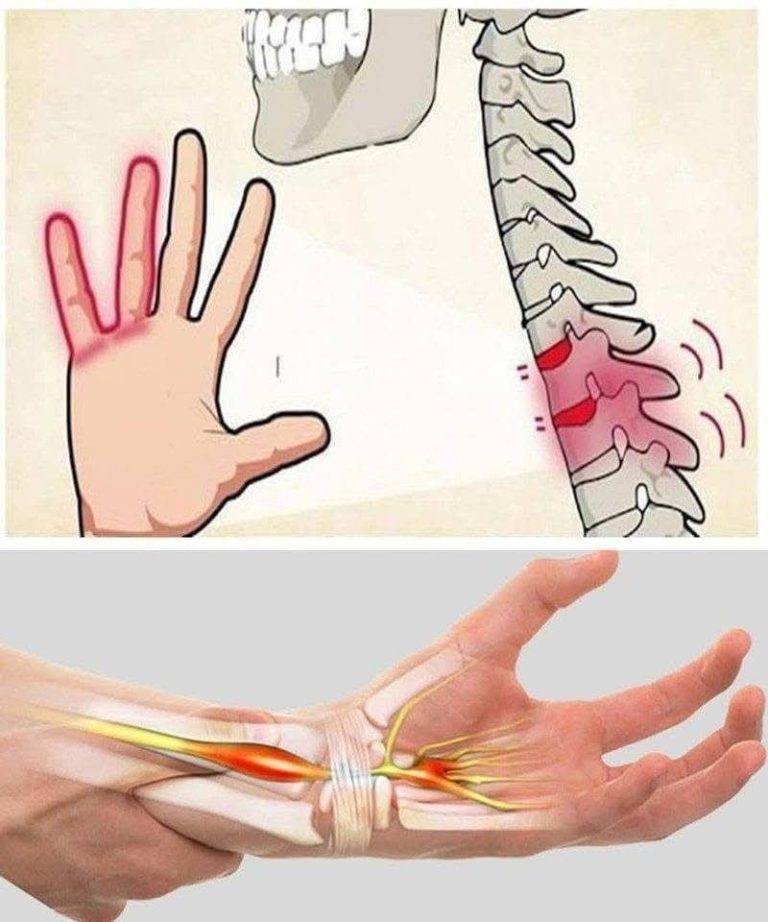
Numb hands are common and often harmless—but sometimes they can signal an underlying problem. Whether it’s “normal” depends on how often it happens, how long it lasts, and what else you’re feeling.
Here’s how to think about it.
Common, Usually Harmless Causes
These are very common and often temporary:
- Sleeping position – Pressure on nerves or blood vessels while sleeping
- Poor posture – Slouching or holding your neck/arms awkwardly
- Repetitive use – Typing, phone use, tools, gaming
- Cold exposure – Blood vessels constrict, causing numbness or tingling
- Temporary nerve compression – Leaning on your elbows or wrists
👉 If numbness goes away after moving or changing position, it’s usually not serious.
Common Medical Causes
These may need attention if symptoms are frequent or persistent:
🖐 Carpal Tunnel Syndrome
- Numbness/tingling in thumb, index, middle fingers
- Worse at night or when waking up
- Often related to repetitive hand use
🧠 Pinched Nerve (Neck or Shoulder)
- Numbness may affect one arm or hand
- Can be associated with neck pain or stiffness
🩸 Poor Circulation
- Cold, pale, or bluish fingers
- May worsen in cold weather (e.g., Raynaud’s phenomenon)
🧬 Vitamin Deficiencies
- Especially vitamin B12
- Often includes tingling, weakness, or fatigue
More Serious (Less Common) Causes
Seek medical advice promptly if numbness is:
- Persistent or worsening
- Affects only one side of the body
- Accompanied by weakness, clumsiness, or pain
Possible concerns include:
- Peripheral neuropathy (sometimes linked to diabetes)
- Autoimmune or nerve disorders
- Stroke or TIA (if sudden and severe)
🚨 Emergency signs (call emergency services):
- Sudden numbness with face drooping
- Arm weakness
- Speech difficulty
- Severe headache or confusion
When to See a Doctor
Make an appointment if:
- Numbness happens daily or nightly
- It lasts more than a few minutes
- You drop things or lose hand strength
- You have diabetes, thyroid disease, or nerve issues
What You Can Try Now
- Adjust sleep and desk posture
- Take breaks from repetitive hand use
- Keep hands warm
- Stretch wrists, hands, and neck
- Note which fingers are numb and when it happens (this helps diagnosis)
Bottom line
Occasional numb hands are often normal. Frequent, persistent, or one-sided numbness is not something to ignore.
If you want, tell me:
- One or both hands?
- Which fingers?
- Mostly at night or during the day?
That can help narrow down the likely cause (without diagnosing).
