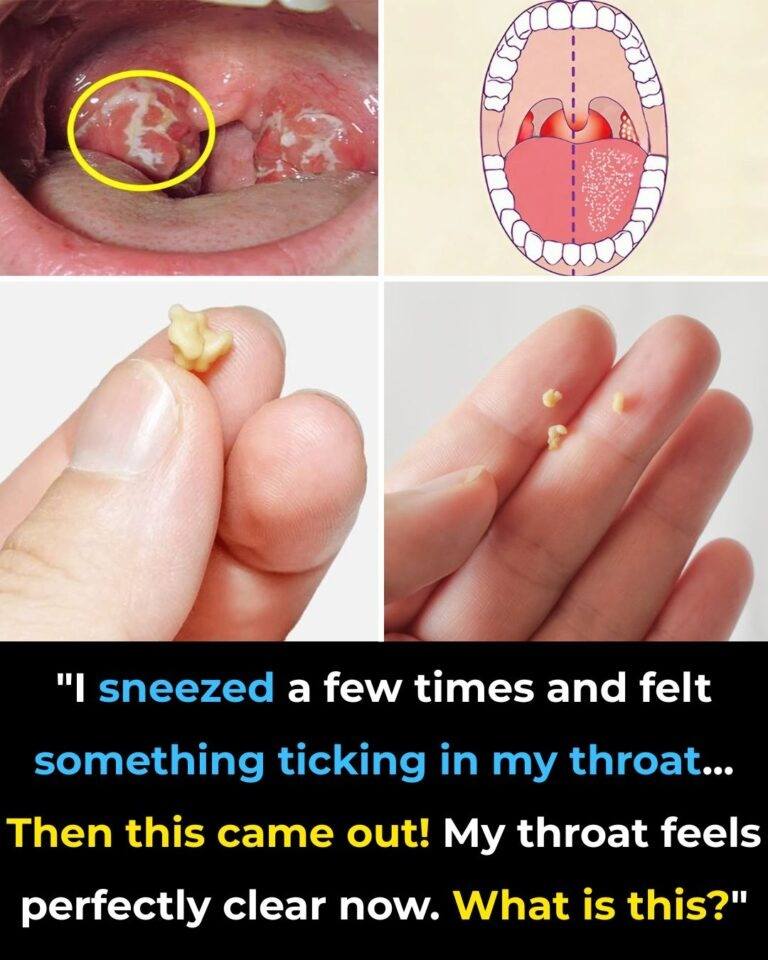
Here’s a clear and thorough guide on tonsil stones (tonsilloliths) — what they are, why they form, and how to deal with them.
🦷 What Are Tonsil Stones?
- Tonsil stones are small, hard deposits that form in the crevices of your tonsils (tonsillar crypts).
- They are made of trapped food particles, dead cells, mucus, and bacteria.
- Usually white or yellowish, and can vary in size from tiny grains to larger lumps.
🔹 Causes
- Chronic tonsil crypts – deep pockets in the tonsils trap debris.
- Poor oral hygiene – leftover food and bacteria can accumulate.
- Post-nasal drip – mucus from sinus issues can contribute.
- Frequent tonsillitis – inflammation can create more crevices for stones.
- Dry mouth or dehydration – less saliva makes debris buildup easier.
🔹 Symptoms
- Bad breath (halitosis) — most common sign
- Feeling of something stuck in the throat
- Mild sore throat or irritation
- Visible white or yellow lumps on the tonsils
- Rarely: ear pain (referred pain from tonsils)
Many people have tonsil stones without noticing, especially if they are small.
🔹 How to Manage and Remove Tonsil Stones
At-home methods:
- Gargle with warm salt water – helps dislodge small stones and reduce bacteria.
- Manual removal – use a cotton swab or water flosser gently; be careful not to injure the tonsil.
- Maintain oral hygiene – brush teeth, tongue, and floss regularly.
- Stay hydrated – helps reduce debris buildup.
Medical treatment:
- Laser or radiofrequency treatment – smooths out tonsil crypts to prevent stones.
- Tonsillectomy – removal of tonsils for recurring or very large stones.
🔹 Prevention Tips
- Gargle daily, especially after meals.
- Avoid excessive dairy (can increase mucus in some people).
- Stay hydrated.
- Routine dental care to minimize bacteria.
⚠️ When to See a Doctor
- Persistent or very large tonsil stones
- Severe sore throat or difficulty swallowing
- Recurrent tonsillitis or infection
Bottom line: Tonsil stones are usually harmless but can cause bad breath or irritation. Most can be managed at home with gargling, good oral hygiene, and gentle removal, while persistent or large stones may require medical attention.
If you want, I can also make a quick step-by-step “tonsil stone removal at home” guide that’s safe and easy to follow.
Do you want me to do that?
