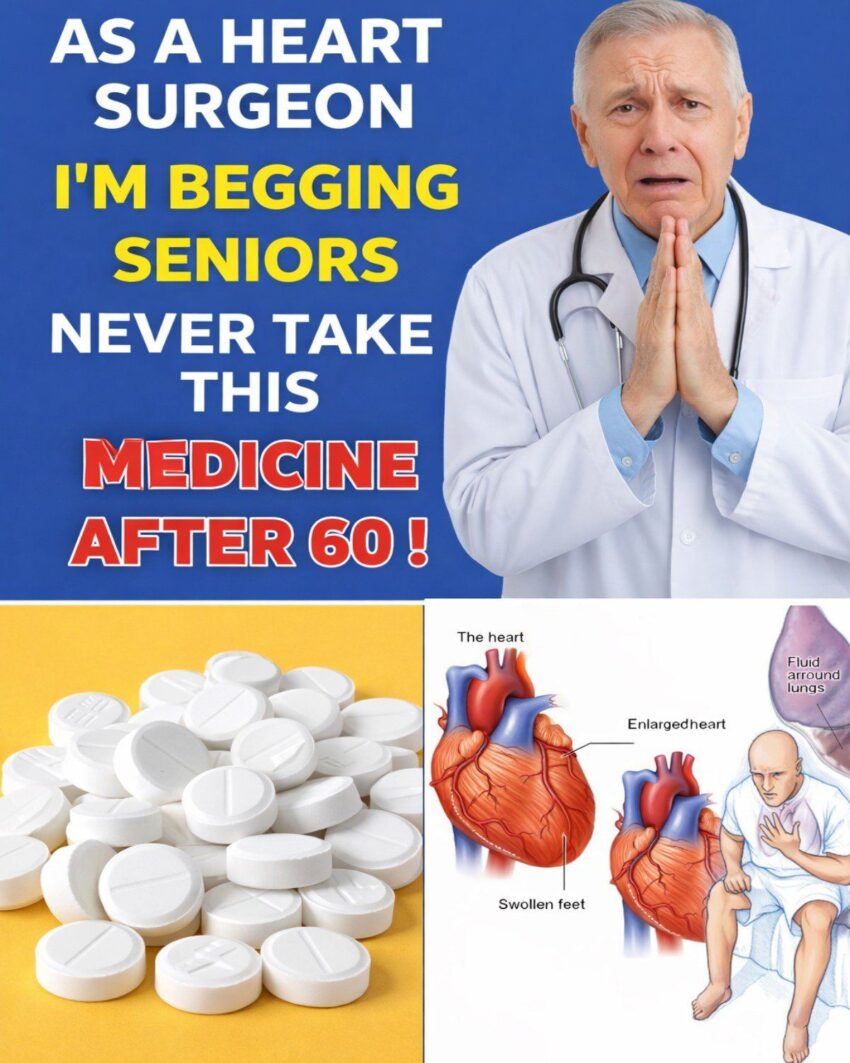
Messages like “this common pill weakens senior hearts” are designed to grab attention — but the real truth is usually more nuanced. Some medications can affect the heart or interact with heart conditions, especially in older adults, but it depends on the drug, the dose, and the person’s health profile.
Below is an accurate, balanced explanation of what doctors do warn about — and what seniors and caregivers should pay attention to.
⚠️ Medications That Can Affect the Heart in Older Adults
🧠 1️⃣ NSAIDs (Ibuprofen, Naproxen, etc.)
Non‑steroidal anti‑inflammatory drugs like ibuprofen and naproxen are commonly used for pain and inflammation.
What doctors warn about:
- Can raise blood pressure
- May worsen heart failure
- Can cause fluid retention
- Increase risk of heart attack or stroke if used long‑term
Safer alternatives (with doctor approval):
- Acetaminophen (for pain relief)
- Topical pain relievers
- Physical therapy or exercise
💊 2️⃣ Certain Diabetes Medications
Some older diabetes drugs can cause fluid retention, which may stress the heart, especially in people with heart failure.
Doctors often choose newer medications that benefit both heart and metabolic health.
💧 3️⃣ Some Calcium Channel Blockers
These lower blood pressure but can cause swelling in ankles and legs (edema), sometimes mistaken for worsening heart failure.
💡 4️⃣ Corticosteroids (Prednisone, etc.)
Used for inflammation but may:
- Raise blood pressure
- Cause fluid retention
- Worsen heart failure symptoms
Long‑term use is typically minimized when possible.
🩺 How Medications Affect Seniors Differently
As we age, the body:
- Processes drugs more slowly
- Holds onto fluid more easily
- Is more sensitive to sodium and blood pressure changes
So a drug that’s “safe for most adults” may cause trouble in a senior with heart disease, kidney issues, or high blood pressure.
🩹 What Seniors Can Do to Protect Heart Health
✔ Review Medications with a Doctor
Every medication — even over‑the‑counter ones — should be checked for heart interaction risks.
✔ Watch for These Warning Symptoms
Call a doctor if you notice:
- Increasing shortness of breath
- Sudden swelling in feet, ankles, or hands
- Rapid heartbeat or palpitations
- Chest pain
- Unexplained fatigue
- New or worsening cough
✔ Keep a Medication List
Include:
- All prescriptions
- OTC medications
- Supplements
Bring it to every clinic visit.
🧠 Bottom Line
There isn’t one “magic pill” that universally weakens older hearts — but some common medications (especially NSAIDs and certain steroids) can worsen heart symptoms in seniors, especially if used long‑term or without medical supervision.
The safest route is to discuss all medications with a doctor or pharmacist, rather than stopping or starting on your own.
If you want, I can list the top over‑the‑counter drugs that seniors should talk to their doctor about because of heart risks — plus safer alternatives.
