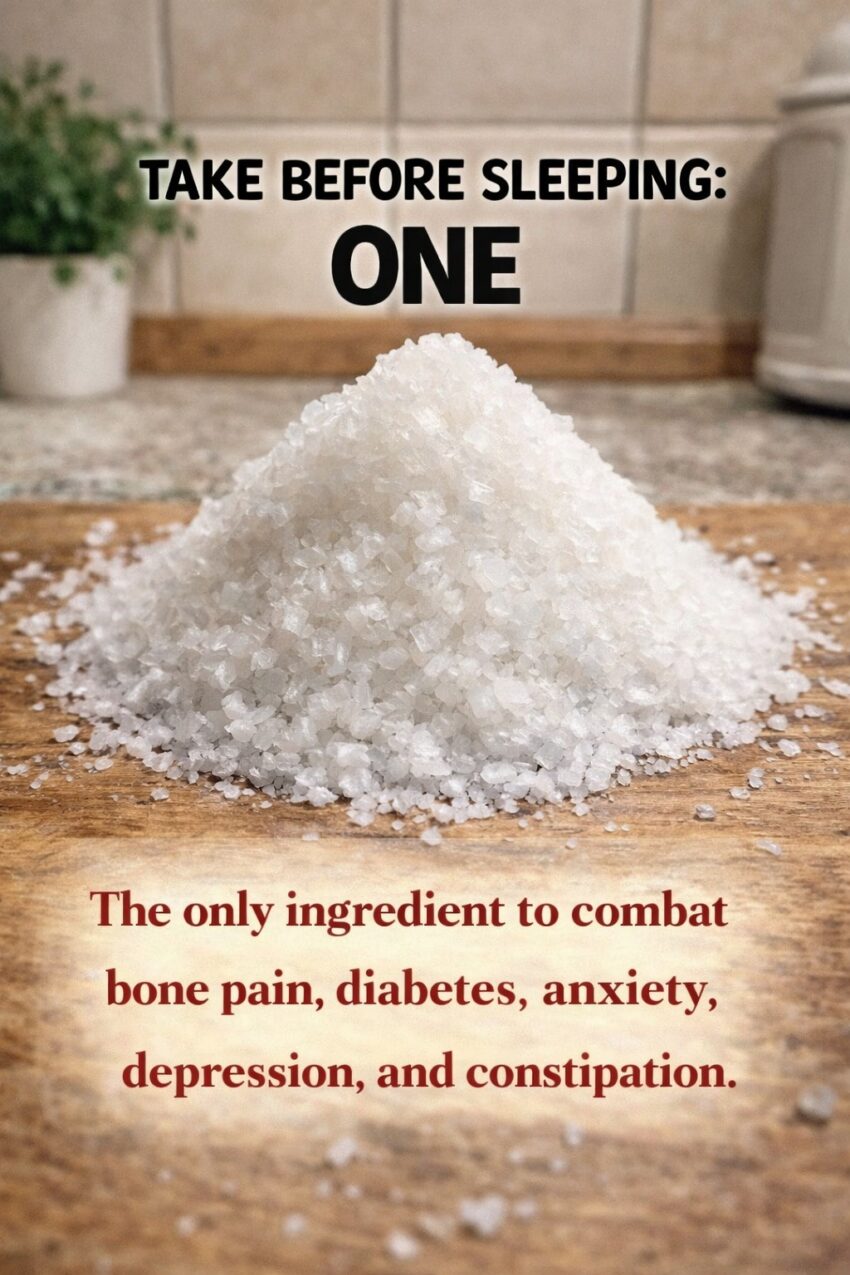
Magnesium is a crucial mineral that plays a key role in sleep, nerve function, and overall health. Many people don’t get enough in their diet, especially as they age, and boosting magnesium can improve both nighttime rest and daytime wellness.
🌙 How Magnesium Supports Better Sleep
1️⃣ Calms the Nervous System
- Magnesium helps regulate GABA, a neurotransmitter that promotes relaxation
- Supports falling asleep faster and deeper sleep
2️⃣ Reduces Muscle Cramps & Restlessness
- Deficiency can cause nighttime leg cramps, twitching, or restless legs
- Adequate magnesium eases these issues for more restful nights
3️⃣ Helps Maintain Healthy Circadian Rhythm
- Supports the body’s natural sleep-wake cycle, improving sleep quality
💪 Overall Health Benefits
1️⃣ Heart & Blood Pressure
- Magnesium relaxes blood vessels, supporting healthy blood pressure
2️⃣ Bone Health
- Works with calcium and vitamin D to strengthen bones, especially important after 50
3️⃣ Nerve & Muscle Function
- Helps muscles contract properly and nerves communicate efficiently
4️⃣ Mood & Stress
- Low magnesium is linked to anxiety and irritability
- Adequate intake can promote calmness and mental clarity
🥗 How to Get Magnesium
Dietary Sources
- Dark leafy greens (spinach, kale)
- Nuts and seeds (almonds, pumpkin seeds)
- Whole grains (oats, brown rice)
- Legumes (beans, lentils)
- Some fish (salmon, mackerel)
Supplements
- Magnesium citrate, glycinate, or malate are often recommended
- Take with food to improve absorption
- Avoid exceeding the upper limit without medical supervision
⚖️ Bottom Line
Magnesium is a simple mineral with powerful effects:
- Promotes better sleep
- Supports muscles, nerves, and bones
- Helps maintain mood and cardiovascular health
Getting enough magnesium from food—or supplements if necessary—can improve both your nights and overall wellness, especially as you age.
If you want, I can make a magnesium-rich bedtime routine that helps with sleep, leg cramps, and relaxation for people over 50.
