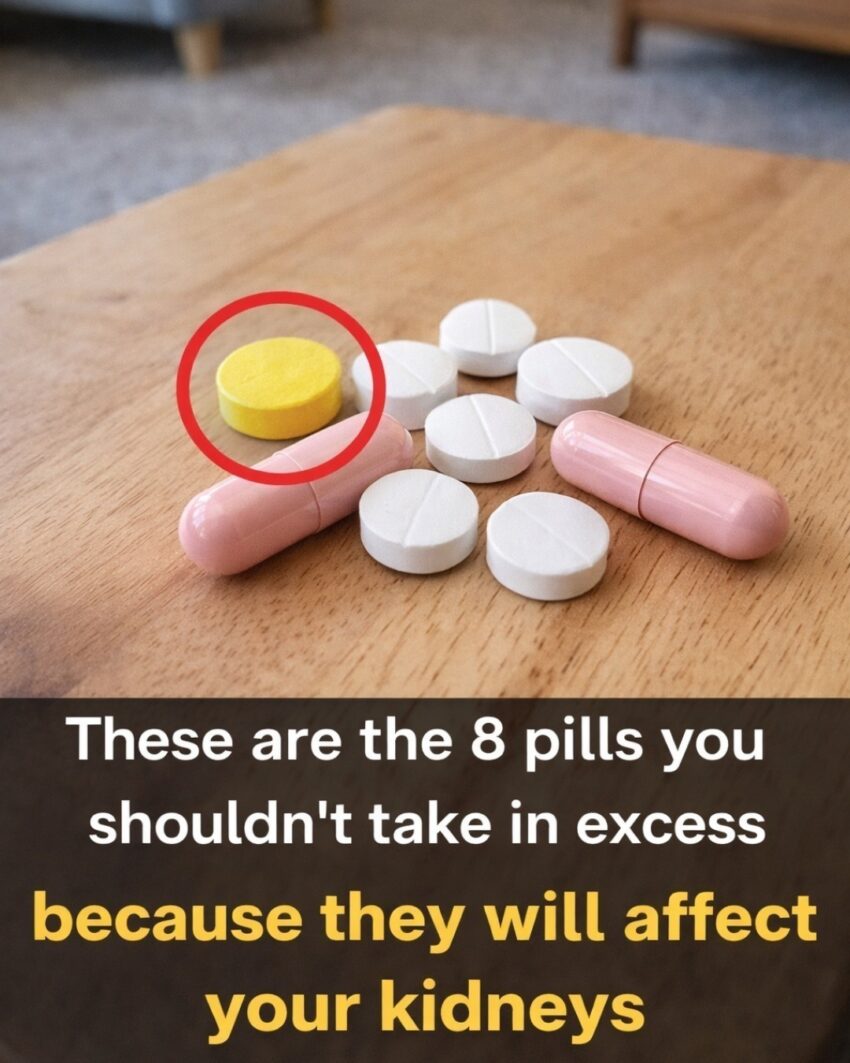
Many medications can affect kidney function, especially if taken long-term, in high doses, or by people with pre-existing kidney problems. The reason they are still sold is that their benefits often outweigh the risks for most people, and with proper monitoring, the kidneys can usually handle them. However, awareness is crucial.
Here’s a breakdown:
💊 8 Common Medications That Can Affect the Kidneys
1. NSAIDs (Ibuprofen, Naproxen, Diclofenac)
- Can reduce blood flow to the kidneys.
- Long-term use increases risk of chronic kidney disease.
2. Certain Antibiotics
- Aminoglycosides (like gentamicin) can be nephrotoxic.
- Usually safe under short-term use and monitoring.
3. Proton Pump Inhibitors (PPIs)
- Used for acid reflux (omeprazole, esomeprazole).
- Long-term use has been linked to kidney inflammation and chronic kidney disease.
4. Diuretics (Water Pills)
- Useful for controlling blood pressure, but overuse can strain kidneys.
5. Certain Chemotherapy Drugs
- Drugs like cisplatin can damage kidney cells.
- Used when benefits outweigh risks in treating cancer.
6. ACE Inhibitors / ARBs
- Beneficial for blood pressure and heart health, but can alter kidney function in some patients.
7. Contrast Dyes for Imaging
- Sometimes necessary for CT scans or angiograms.
- Can cause kidney injury in people with pre-existing kidney disease.
8. High-dose Pain Medications (like certain opioids)
- May indirectly stress kidneys, especially combined with dehydration or other meds.
🤔 Why Are They Still Sold?
- Benefits often outweigh the risks
- For example, NSAIDs relieve pain, antibiotics treat infections, and chemotherapy saves lives.
- Controlled use is usually safe
- Doctors monitor kidney function via blood tests and adjust doses accordingly.
- Alternative options may be limited
- Some patients need these medications because there’s no equally effective substitute.
- Education gap
- Patients often don’t realize kidney risks until long-term damage occurs.
✅ How to Protect Your Kidneys While Taking Medications
- Stay hydrated unless your doctor advises otherwise
- Check kidney function regularly (blood tests: creatinine, eGFR)
- Avoid combining multiple kidney-stressing drugs without supervision
- Use the lowest effective dose for the shortest period
- Discuss alternatives with your doctor if you have kidney disease
💡 Bottom line:
Many medications can affect the kidneys, but with proper monitoring and responsible use, they are still considered safe and essential for millions of people. The key is awareness, moderation, and medical supervision.
If you want, I can make a simple chart of “Kidney-Friendly vs Kidney-Risky Medications” for easy reference at home. It’s very practical for anyone taking multiple drugs.
