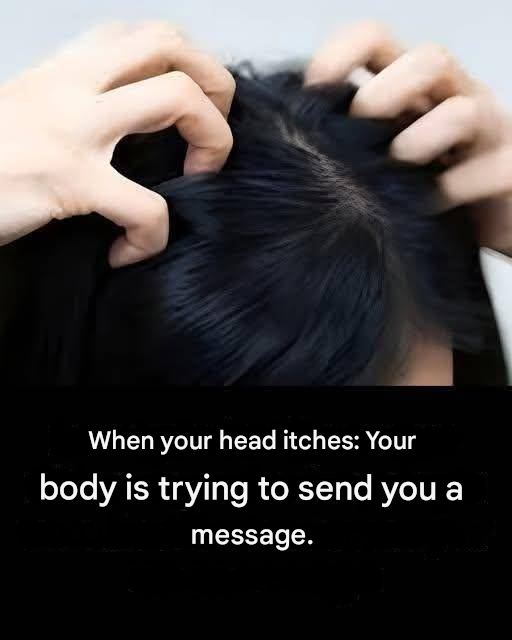
An itchy scalp is a common problem, and while it’s often harmless, it can be annoying or a sign of an underlying issue. Here are the main causes according to dermatology research:
🧴 1. Dandruff (Seborrheic Dermatitis)
- Most common cause of scalp itch
- Flaky, sometimes greasy patches
- Can worsen in winter or with stress
- Often treated with medicated shampoos containing ketoconazole, zinc pyrithione, or selenium sulfide
🐛 2. Head Lice
- Tiny parasites that feed on scalp blood
- Intense itching, especially behind ears and at the nape of the neck
- Visible nits (eggs) on hair shafts
💨 3. Dry Scalp
- Caused by harsh shampoos, cold weather, or dehydration
- Flakes may be smaller and less greasy than dandruff
- Moisturizing shampoos or scalp oils can help
🌿 4. Allergic Reactions / Contact Dermatitis
- Reaction to hair products like dyes, shampoos, or conditioners
- Redness, bumps, or burning along with itchiness
- Switch products and patch-test new ones
🦠 5. Fungal Infections (Tinea Capitis)
- Ringworm of the scalp
- Round, scaly patches, sometimes with hair loss
- Requires antifungal treatment
🧬 6. Psoriasis
- Autoimmune condition
- Thick, silvery plaques on scalp
- Can extend beyond hairline to forehead or neck
- Managed with medicated shampoos, topical treatments
⚠️ When to See a Doctor
- Severe or persistent itching
- Hair loss or sores
- Redness, swelling, or pus
- Suspected lice or fungal infection
🟡 Bottom line
👉 An itchy scalp is usually treatable at home, but persistent or severe cases require professional evaluation.
If you want, I can make a simple home routine for itchy scalp relief that includes DIY remedies and medicated options.
