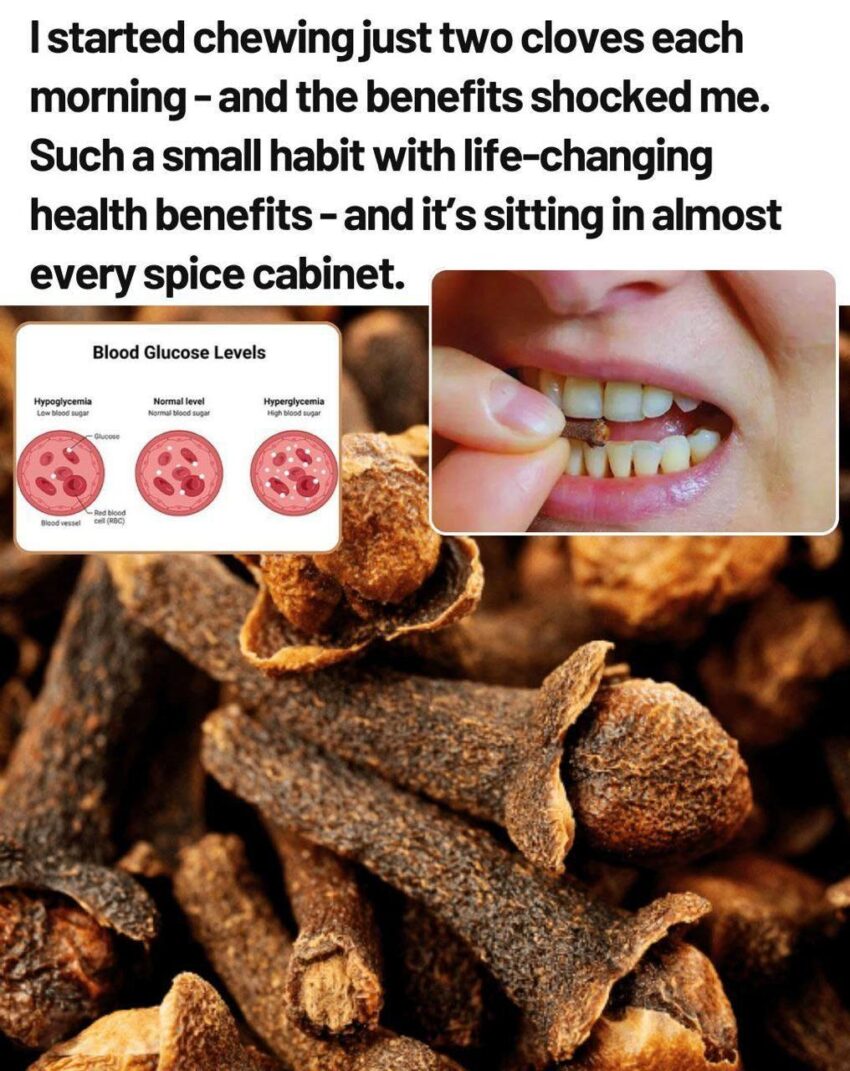
Here’s a clear, practical guide to cloves—what they are, how they work, and what benefits are actually supported (without hype).
🌿 What are cloves?
Cloves come from the dried flower buds of the clove tree, Syzygium aromaticum. They’re commonly used in cooking, traditional medicine, and natural remedies because of their strong aroma and active compounds.
🧪 Key active compound
Cloves contain Eugenol, which is responsible for:
- Strong smell and taste
- Mild numbing effect
- Antibacterial properties
🌱 Potential benefits (what research suggests)
1. Antioxidant support
Cloves are very rich in antioxidants, which help protect cells from oxidative stress.
2. Oral health
- Eugenol has mild antibacterial and numbing effects
- Traditionally used for toothache relief
- Found in some dental products
(Not a replacement for dental treatment, but can temporarily ease discomfort.)
3. Digestion support
Cloves may:
- Help reduce gas and bloating
- Stimulate digestive enzymes
- Support gut comfort after heavy meals
4. Anti-inflammatory properties
Compounds in cloves may help reduce inflammation in the body, but effects are mild and not medical treatments.
🍽️ Common uses
In food
- Spices in curries, rice dishes, and baking
- Mulled drinks and teas
- Flavoring soups and sauces
In home remedies
- Clove tea (light digestive aid)
- Oil used in very small amounts for oral discomfort
- Added to herbal blends
In essential oil form
Clove oil is used in:
- Dental products
- Aromatherapy
- Topical pain relief (always diluted)
⚠️ Safety notes
- Clove oil is very strong—can irritate skin if undiluted
- Excess intake may upset the stomach
- Not recommended in large medicinal doses without guidance
- People on blood thinners should be cautious due to mild blood-thinning effects
🧭 Bottom line
Cloves are a powerful spice with antioxidant, antimicrobial, and digestive-support properties, mainly due to eugenol. They’re useful in food and mild traditional remedies—but they are not a cure-all.
If you want, I can also break down “clove water,” “clove for teeth,” or weight-loss claims you may have seen online and explain what’s real vs exaggerated.
