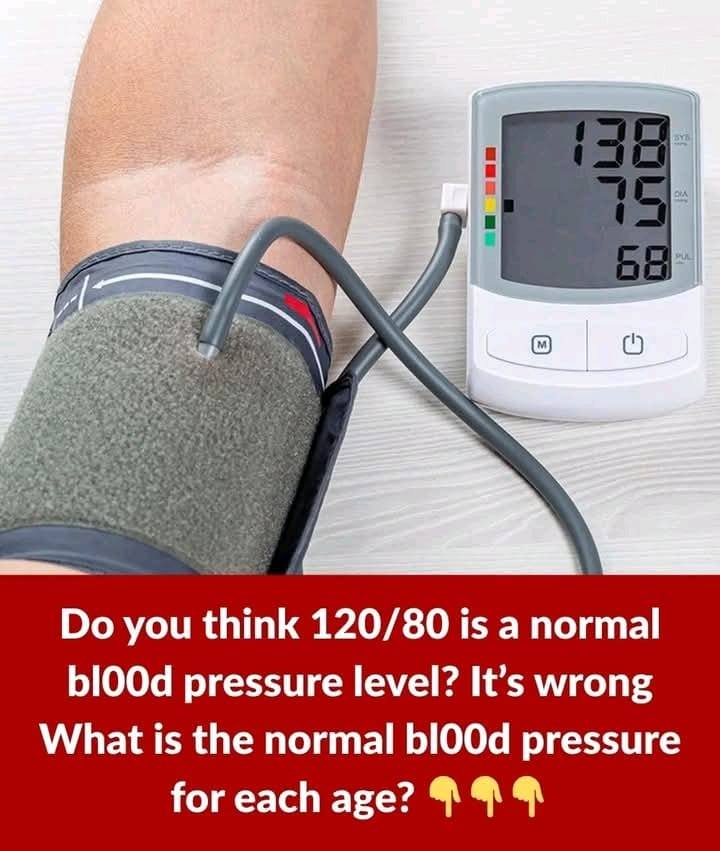
Blood pressure doesn’t have completely different “normal values” for every age in adults—modern medical guidelines use one main standard for most people, with some variation for children.
Hypertension
🧑⚕️ Normal blood pressure (adults)
For most adults (18+), the widely accepted categories are:
- Normal: below 120/80 mmHg
- Elevated: 120–129 / below 80
- High blood pressure (Stage 1): 130–139 / 80–89
- High blood pressure (Stage 2): 140+/90+
- Emergency: 180+/120+ (needs urgent care)
👉 So ideally, adults aim for around 120/80 or lower.
👶 Blood pressure in children (varies by age, height, and sex)
For kids, “normal” is not a single number—it’s based on percentiles. But general ranges look like this:
- Newborns: ~60–90 / 30–60
- Infants (1–12 months): ~80–100 / 50–65
- Toddlers (1–2 years): ~85–105 / 50–70
- Children (3–12 years): ~90–110 / 55–75
- Teenagers: gradually approaches adult range (around 110–120 / 65–80)
🧓 What about older adults?
A common misconception is that “higher BP is normal with age.” That’s not strictly true.
- Doctors still aim for under 120–130 / 80–85 in most older adults
- But treatment targets may be adjusted based on:
- dizziness/fall risk
- kidney health
- heart disease history
🧠 Key takeaway
- There is no healthy BP that rises with age as a rule
- The general safe target for most people is still:
👉 below 120/80 mmHg - Risk of complications rises as BP stays above 130/80 long-term
If you want, I can also explain:
- What causes high BP in young people vs older people
- Or how to naturally bring blood pressure down safely
- Or what BP readings at home actually mean (a lot of people misread them)
