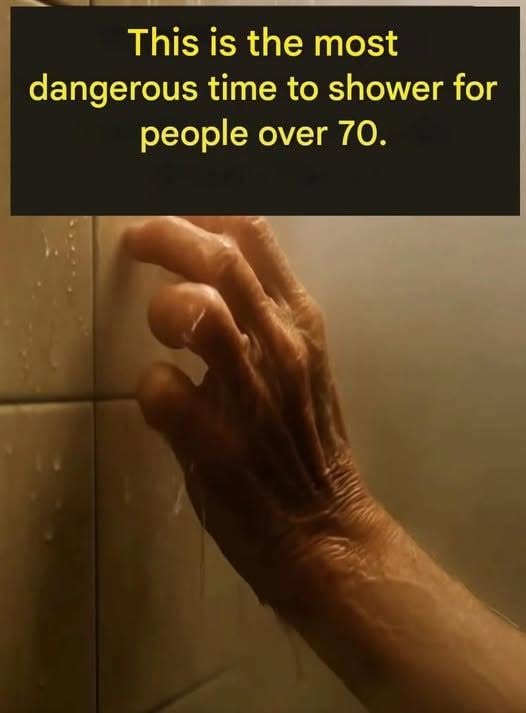
There isn’t a medically recognized “riskiest time” to take a shower after age 70. Claims that you should never shower at a particular hour are not supported by good evidence.
What does matter is reducing the risk of falls, dizziness, and burns, which become more common with age.
Some situations that may increase risk include:
- Immediately after waking up, if you tend to have low blood pressure or feel dizzy when standing.
- Right after strenuous exercise, when you’re overheated or dehydrated.
- After drinking alcohol or taking medications that cause drowsiness or dizziness.
- Very hot showers, which can lower blood pressure and increase the chance of fainting.
To make showering safer after age 70:
- Use warm rather than very hot water.
- Install grab bars and a non-slip mat.
- Consider using a shower chair if your balance is unsteady.
- Rise slowly if you feel lightheaded.
- Stay well hydrated.
If an older adult experiences sudden weakness, chest pain, severe dizziness, fainting, or shortness of breath during or after a shower, they should seek immediate medical attention, as these symptoms may indicate a serious underlying condition.
In short, the safest time to shower is when you feel alert, well-hydrated, and steady on your feet. There is no evidence that a specific clock time—such as morning, afternoon, or evening—is inherently dangerous for everyone over 70.
