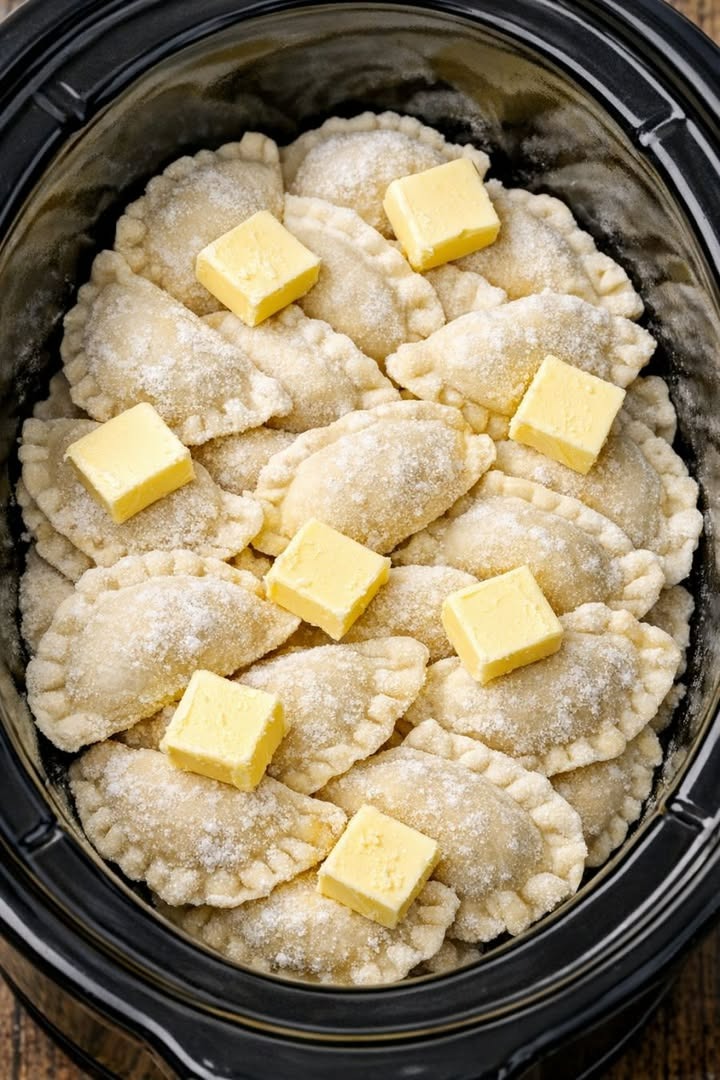
Ah, uncooked pierogi! These are the delicious Polish dumplings that are usually filled with potatoes, cheese, meat, or fruit—but they still need cooking before eating. Here’s a complete guide on handling, cooking, and storing uncooked pierogi. 🥟
1. What Are Uncooked Pierogi?
- Dumplings made from a simple dough (flour, water, egg, sometimes butter) filled with sweet or savory fillings.
- Sold fresh or frozen in stores, or homemade.
- Uncooked pierogi cannot be eaten raw—the dough and filling need heat to be safe and tasty.
2. How to Cook Uncooked Pierogi
Boiling (Classic Method)
- Bring a large pot of salted water to a boil.
- Gently drop pierogi into the water.
- When they float to the top, cook 1–2 minutes more.
- Remove with a slotted spoon.
- Optional: sauté in butter for a golden, crispy finish.
Pan-Frying (For Extra Crispiness)
- Boil pierogi first (as above) or use thawed frozen pierogi.
- Heat butter or oil in a skillet over medium heat.
- Fry pierogi 2–3 minutes per side until golden brown.
Baking (Less Common)
- Brush with butter or oil and bake at 375°F (190°C) for 15–20 minutes.
- Works best for pierogi with sturdier fillings.
3. Storage Tips
- Refrigerate: Keep fresh, uncooked pierogi in the fridge for 1–2 days.
- Freeze: Lay pierogi on a baking sheet in a single layer, freeze until solid, then transfer to a freezer bag—lasts 2–3 months.
- Do not thaw before boiling if frozen—you can cook straight from the freezer.
4. Serving Ideas
- Savory pierogi: Serve with sautéed onions, sour cream, bacon bits, or melted butter.
- Sweet pierogi: Serve with sugar, cinnamon, or fruit sauce (like blueberry or strawberry).
✅ Bottom Line: Uncooked pierogi are versatile and delicious, but they must be cooked before eating. Boil first for safety, then optionally fry or bake for texture and flavor.
If you want, I can give a step-by-step method to make homemade pierogi from scratch, including potato-cheese and sweet fillings, so you can freeze or cook them anytime.
Do you want me to do that?
