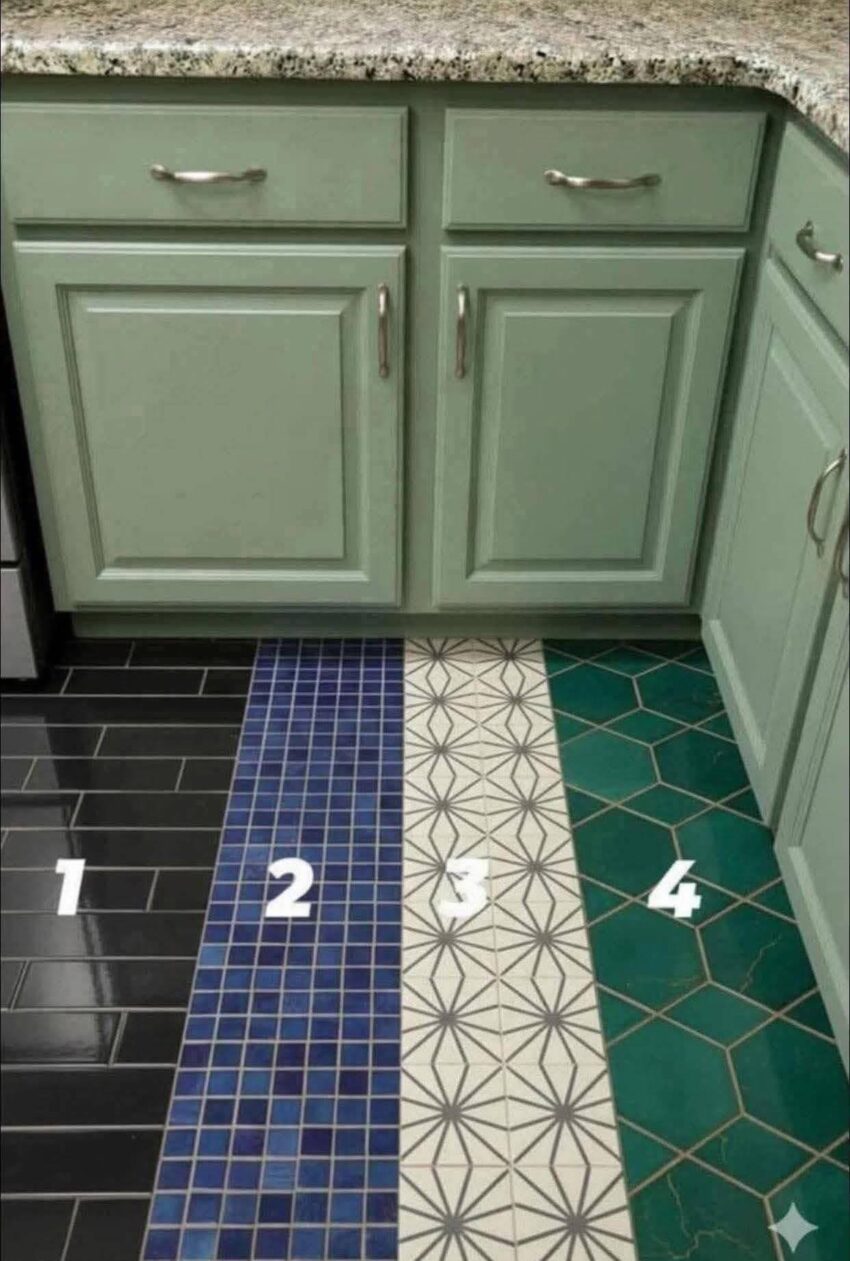
Choosing the right kitchen floor tile can completely change how your space looks, feels, and functions. Because the kitchen is both a high-traffic work zone and a central gathering place, your flooring needs to balance style, durability, comfort, and practicality. Here’s how design, texture, and style come together to transform your kitchen.
1. Design: Setting the Visual Foundation
The design of your floor tile anchors the entire kitchen. It can make the room feel larger, brighter, warmer, or more dramatic.
Color Choices
- Light tiles (white, beige, light gray) reflect light and make small kitchens feel more open.
- Dark tiles add depth and contrast, creating a bold, sophisticated look—especially striking in larger kitchens.
- Warm tones (terracotta, cream, wood-look tiles) create a cozy, welcoming atmosphere.
- Cool tones (gray, slate, concrete-look) suit modern and minimalist designs.
Patterns & Layout
- Large-format tiles reduce grout lines, creating a clean, seamless look.
- Patterned or encaustic-style tiles become a focal point and add personality.
- Diagonal or herringbone layouts visually expand narrow kitchens.
- Checkerboard designs bring timeless charm to vintage or farmhouse spaces.
2. Texture: Beauty Meets Safety
Texture isn’t just about appearance—it affects comfort and safety.
Slip Resistance
Kitchens are prone to spills, so textured or matte tiles offer better grip than high-gloss finishes, especially for households with kids or pets.
Tactile Experience
- Smooth finishes feel sleek and modern but can show smudges and scratches more easily.
- Textured or stone-look tiles add visual depth and hide dirt better.
- Wood-look porcelain tiles combine warmth underfoot with the durability of tile.
3. Style: Matching Your Kitchen’s Personality
Your floor should complement—not compete with—your cabinets, countertops, and backsplash.
Popular Style Pairings
- Modern kitchens: Large-format concrete-look or polished porcelain tiles
- Farmhouse kitchens: Wood-look tiles or natural stone in warm tones
- Traditional kitchens: Marble-look or classic ceramic tiles
- Industrial kitchens: Dark slate or distressed concrete tiles
- Mediterranean kitchens: Terracotta or patterned tiles with rich colors
4. Practical Considerations That Matter
A beautiful tile still needs to perform well in daily life.
- Durability: Porcelain tiles are ideal for kitchens due to their hardness and low water absorption.
- Maintenance: Choose stain-resistant grout and tiles that are easy to clean.
- Comfort: If standing for long periods, consider radiant heating beneath tile for added comfort.
- Consistency: If your kitchen opens into another room, using the same tile can create visual flow.
5. How the Right Tile Transforms the Space
The right kitchen floor tile can:
- Make a small kitchen feel larger
- Elevate a basic design into a statement space
- Tie together cabinetry, walls, and countertops
- Improve safety and durability without sacrificing style
Final Thought
Your kitchen floor isn’t just something you walk on—it’s a design element that shapes the entire room. By carefully choosing tile based on design, texture, and style, you can create a kitchen that’s not only functional, but truly transformative.
If you’d like, I can help you choose tile based on your kitchen size, lighting, or overall design theme.
