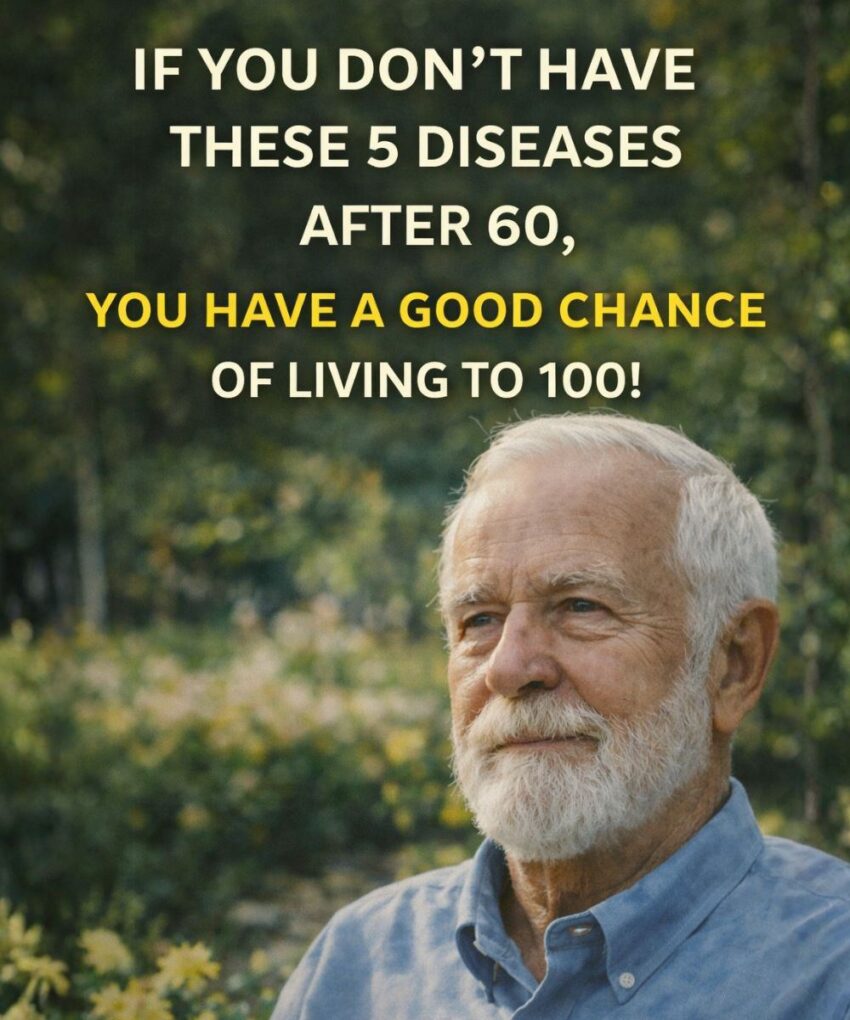
Headlines like this are meant to inspire — but they oversimplify things.
Reaching 60 without certain major chronic diseases does significantly improve your odds of living a long life. However, longevity depends on many factors — genetics, lifestyle, environment, and access to healthcare.
Here are five major conditions that strongly influence long-term survival.
🫀 1️⃣ Cardiovascular Disease
Includes:
- Heart attacks
- Coronary artery disease
- Heart failure
Heart disease is the leading cause of death worldwide. Reaching 60 without it is a major positive indicator.
Protective habits:
- Control blood pressure
- Maintain healthy cholesterol
- Stay physically active
🧠 2️⃣ Stroke
Avoiding stroke by 60 suggests:
- Healthy blood vessels
- Controlled blood pressure
- Good metabolic health
Strokes significantly impact long-term survival and independence.
🩸 3️⃣ Type 2 Diabetes
Diabetes increases risk of:
- Heart disease
- Kidney failure
- Nerve damage
- Vision problems
Reaching 60 without diabetes (or with well-controlled blood sugar) improves life expectancy.
🧬 4️⃣ Major Cancers
Being cancer-free at 60 improves long-term survival odds — though risk continues with age.
Preventive factors:
- Not smoking
- Maintaining healthy weight
- Regular screenings
🫁 5️⃣ Chronic Lung Disease
Includes:
- COPD
- Severe chronic bronchitis
Lung health strongly affects longevity, especially in smokers.
📊 What Research Shows
Large long-term population studies suggest:
- People who reach midlife free of major chronic disease live significantly longer.
- Cardiometabolic health (heart + blood sugar + blood pressure) is one of the strongest predictors of lifespan.
- Lifestyle habits can modify risk even after 60.
That said, some people with one of these conditions still live into their 90s — especially if well-managed.
🧠 What Matters Even More Than Just “No Disease”
✔ Physical activity
✔ Muscle strength
✔ Social connection
✔ Cognitive engagement
✔ Non-smoking
✔ Healthy weight
✔ Emotional resilience
Longevity isn’t just about avoiding disease — it’s about maintaining function.
💡 Bottom Line
Reaching 60 without major cardiovascular disease, diabetes, cancer, stroke, or chronic lung disease does improve your probability of living longer — but it’s not a guarantee of reaching 100.
Healthy habits in your 60s, 70s, and even 80s still make a huge difference.
If you’d like, I can also share:
- The strongest daily habits linked to living past 90
- The “longevity blueprint” researchers see in centenarians
- Or warning signs in your 60s that shouldn’t be ignored
