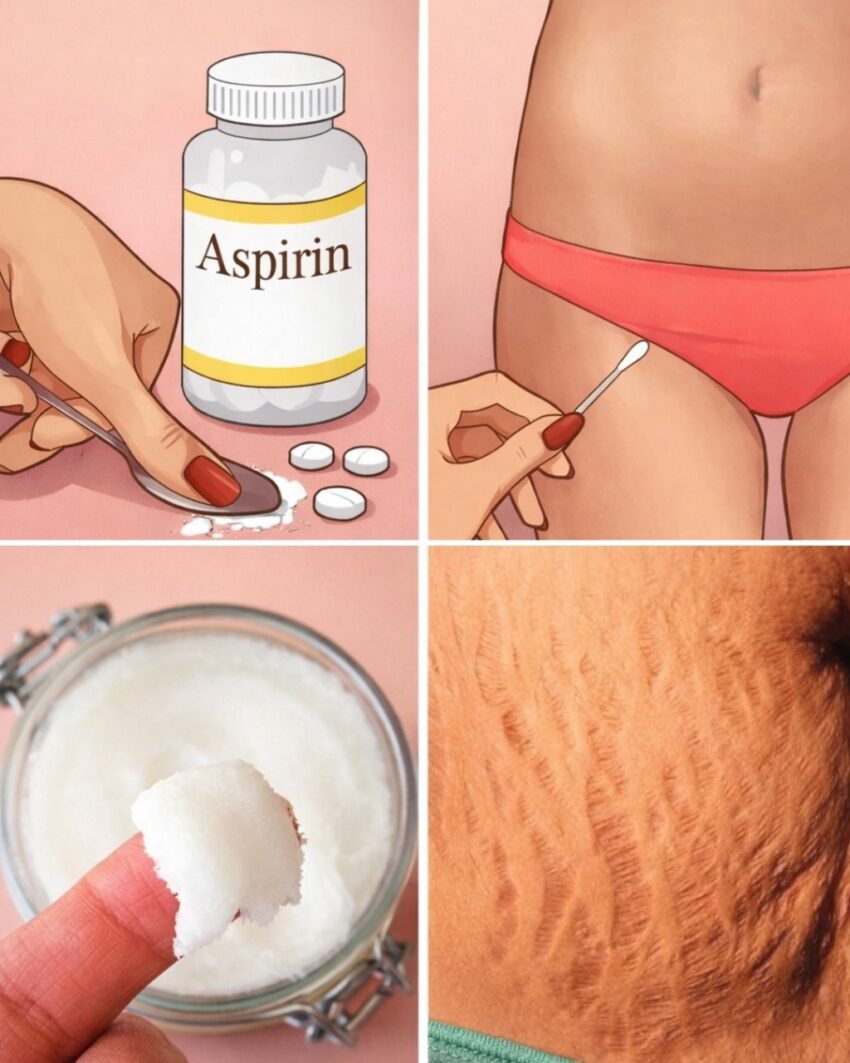
Aspirin can be useful—but it’s also a real medication, not a general “life hack” product. Many viral posts exaggerate or suggest unsafe uses. Here’s what actually makes sense (and what to avoid).
Aspirin is Aspirin, a drug that affects pain, inflammation, and blood clotting.
✅ Legitimate uses (when appropriate)
💊 1. Pain and inflammation relief
- Headaches, muscle aches, mild joint pain
- Works by reducing inflammation
❤️ 2. Heart protection (ONLY under medical advice)
- Low-dose aspirin may be prescribed to reduce clot risk
- Used in some people at risk of Heart attack or stroke
⚠️ Not for everyone—can increase bleeding risk.
🌡️ 3. Fever reduction
- Helps lower fever in adults
- Not recommended for children due to risk of Reye’s syndrome
⚠️ “Tricks” you’ll see online (be cautious)
🧴 Skin treatments
Some people crush aspirin for:
- Acne masks
- Spot treatments
👉 Reality:
- Mild exfoliating effect (because of salicylic acid relation)
- Can irritate or burn sensitive skin
- Not a reliable or safe skincare routine
💇 Hair or dandruff remedies
- Sometimes suggested in shampoos
👉 Evidence is weak, and it can irritate the scalp.
🦶 Foot soaks or callus treatments
- Occasionally used for softening skin
👉 Can work mildly, but safer products exist.
🚫 Important risks (especially for women)
- Stomach irritation or ulcers
- Increased bleeding (important during menstruation or before surgery)
- Interaction with other medications (like blood thinners)
🧠 Bottom line
Aspirin is useful when used correctly, but:
It’s a medication—not a DIY beauty or household product.
Stick to medically appropriate uses, and be cautious with “hacks” that involve applying or using it outside its intended purpose.
If you want, I can list safe, evidence-based alternatives for skin, hair, or pain relief depending on what you were hoping to use it for.
