Here’s a careful, science-based look at what happens after gallbladder removal (cholecystectomy) and why some people develop certain health issues afterward. I’ll also cover how to support your body if you want to avoid surgery when possible.
🟡 What the Gallbladder Does
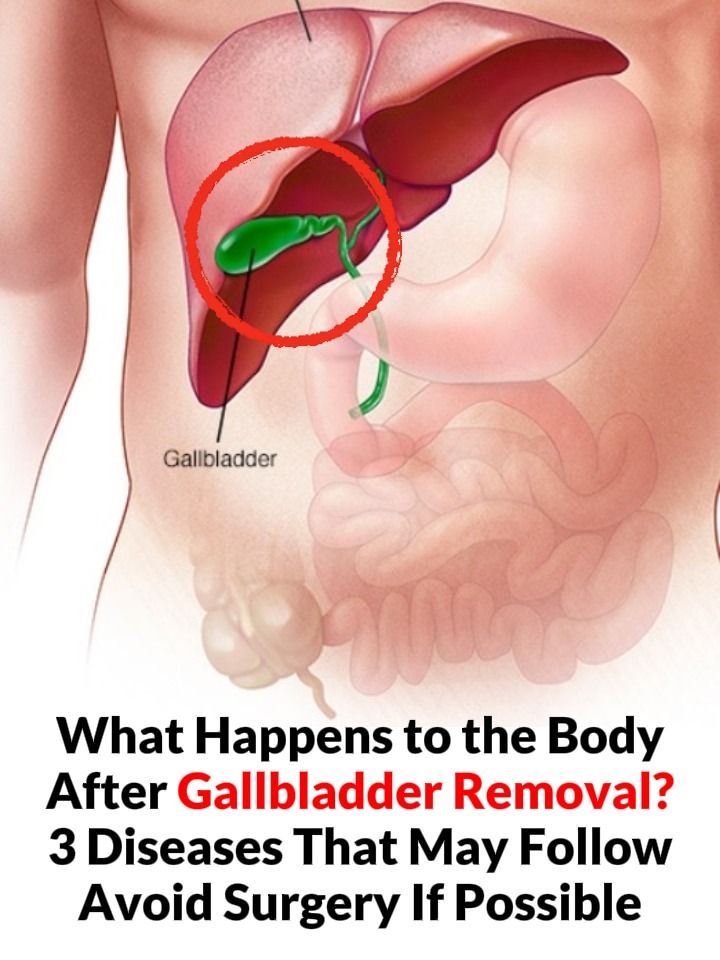
The gallbladder is a small organ under the liver that stores and concentrates bile, which helps digest fats.
After removal:
- Bile flows directly from the liver to the small intestine.
- Fat digestion can be slightly less efficient, especially at first.
Most people adapt well, but some experience long-term consequences.
🟢 Common Changes After Gallbladder Removal
- Digestive Changes
- Diarrhea or loose stools (especially after fatty meals)
- Bloating, gas, or occasional indigestion
- Bile Reflux or Acid Reflux
- Some people get more stomach or esophagus irritation because bile is constantly flowing
- Altered Fat Absorption
- Fat-soluble vitamins (A, D, E, K) may be absorbed slightly less efficiently
⚠️ 3 Diseases/Conditions That May Follow (in Some People)
1. Postcholecystectomy Syndrome (PCS)
- Symptoms: bloating, pain in upper right abdomen, nausea, diarrhea
- Cause: changes in bile flow or small stones left in bile ducts
- Management: diet changes, medications, sometimes ERCP procedure
2. Chronic Diarrhea / Fat Malabsorption
- Occurs in up to 10–15% of people after surgery
- Often triggered by high-fat meals
- Can lead to nutrient deficiencies if persistent
Management: smaller meals, lower-fat diet, fiber, digestive enzyme supplements
3. Increased Risk of Certain Digestive Disorders
Some studies show slight increases in:
- Gastroesophageal reflux disease (GERD)
- Irritable bowel syndrome (IBS)-like symptoms
- Fatty liver / non-alcoholic steatohepatitis (NASH) in some cases
Note: Most people do not develop serious disease, but risk is higher in people with preexisting conditions.
🥦 How to Avoid Surgery if Possible
Surgery is often recommended for gallstones causing pain, infection, or blockage, but lifestyle can help prevent symptoms or complications:
- Dietary Adjustments
- Limit high-fat and fried foods
- Eat smaller, more frequent meals
- Increase fiber intake (fruits, vegetables, whole grains)
- Maintain a Healthy Weight
- Rapid weight loss can trigger gallstones
- Gradual, steady weight management is protective
- Stay Hydrated
- Adequate water helps bile stay less concentrated
- Natural Support for Gallbladder Health
- Bitter greens (dandelion, arugula) may promote bile flow
- Turmeric or curcumin may reduce gallbladder inflammation
Note: These methods cannot dissolve large gallstones or treat infections — they mainly reduce symptoms and prevent new stones.
💡 Bottom Line
- Gallbladder removal is safe and life-saving in many cases.
- Long-term, some people develop digestive changes or mild chronic issues.
- Lifestyle changes can reduce symptoms and, in some cases, avoid surgery temporarily or minimize recurrence of stones.
If you want, I can create a complete “gallbladder-friendly lifestyle plan” showing foods to eat, foods to avoid, and routines to reduce risk of post-surgery digestive issues.
Do you want me to do that?
