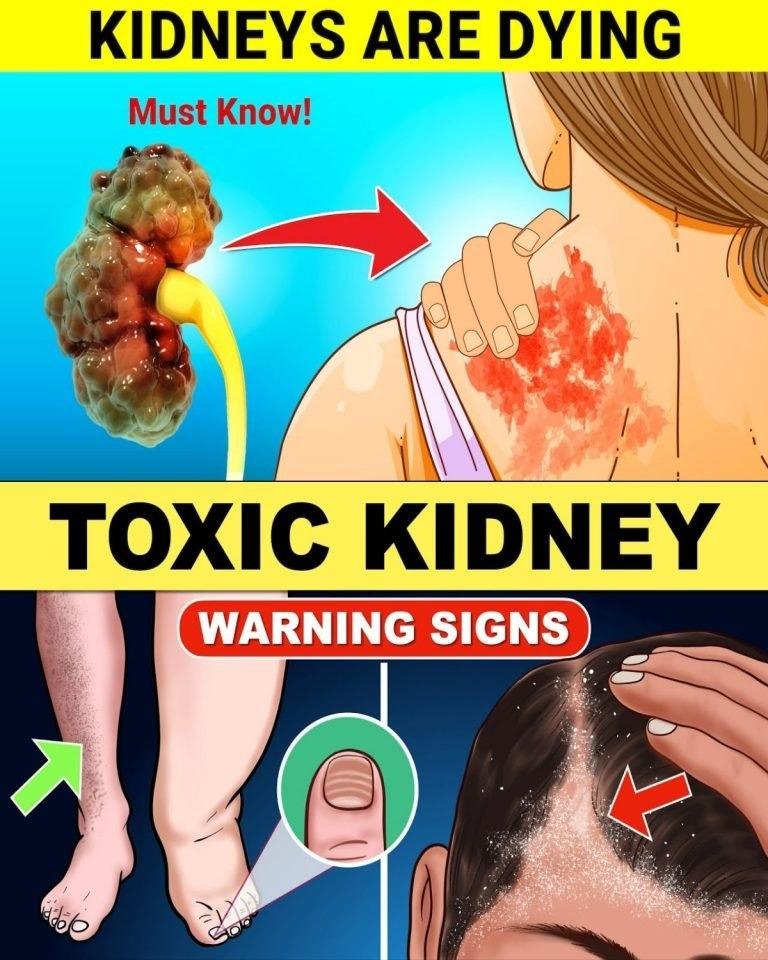
Kidney disease often develops silently, and symptoms may not appear until damage is advanced. Recognizing early warning signs — and getting the right tests — can help slow progression and possibly avoid dialysis.
⚠️ 9 Warning Signs Your Kidneys May Be Failing
These symptoms don’t automatically mean kidney failure, but they warrant medical evaluation.
1️⃣ Changes in Urination
- Foamy or bubbly urine (possible protein leakage)
- Dark, tea-colored urine
- Urinating more or less than usual
- Waking frequently at night to urinate
2️⃣ Swelling (Edema)
Kidneys regulate fluid balance. Damage can cause:
- Swollen ankles, feet, hands
- Puffy eyelids
- Fluid retention in legs
3️⃣ Persistent Fatigue
Failing kidneys produce less erythropoietin (EPO), which helps make red blood cells.
Low levels can lead to anemia, causing weakness and exhaustion.
4️⃣ Shortness of Breath
Can result from:
- Fluid buildup in lungs
- Anemia related to kidney disease
5️⃣ High Blood Pressure
Kidneys help regulate blood pressure.
High blood pressure can both cause and result from kidney damage.
6️⃣ Nausea or Loss of Appetite
Waste buildup (uremia) in the blood can cause:
- Nausea
- Vomiting
- Metallic taste
- Bad breath (ammonia-like smell)
7️⃣ Itchy Skin
Mineral and waste imbalances may cause persistent itching.
8️⃣ Muscle Cramps
Electrolyte imbalances (like low calcium or high phosphorus) can trigger cramps.
9️⃣ Difficulty Concentrating
Toxin buildup and anemia can affect brain function.
🧪 Key Tests That Can Help Prevent Dialysis
Early detection is critical. Doctors typically use:
✔ Blood Tests
- Creatinine – measures waste buildup
- eGFR (estimated glomerular filtration rate) – shows kidney filtering ability
- BUN (blood urea nitrogen)
✔ Urine Tests
- Urinalysis
- Urine albumin-to-creatinine ratio (ACR) – checks for protein leakage
✔ Blood Pressure Monitoring
High blood pressure must be controlled to protect kidneys.
✔ Imaging (if needed)
Ultrasound may check structure and blockage.
🛑 How to Reduce Risk of Dialysis
If caught early, kidney disease progression can often be slowed by:
- Controlling blood pressure
- Managing diabetes carefully
- Reducing sodium intake
- Staying hydrated (unless fluid-restricted)
- Avoiding excessive NSAID painkillers
- Maintaining a healthy weight
- Quitting smoking
🚨 Seek Immediate Care If You Have:
- Very little or no urine output
- Severe shortness of breath
- Chest pain
- Confusion
🧠 Bottom Line
Kidney failure usually develops gradually. Early testing — especially if you have diabetes, high blood pressure, or a family history — can significantly reduce the risk of needing dialysis.
If you’d like, I can also explain what eGFR numbers actually mean and at what stage dialysis is usually considered.
