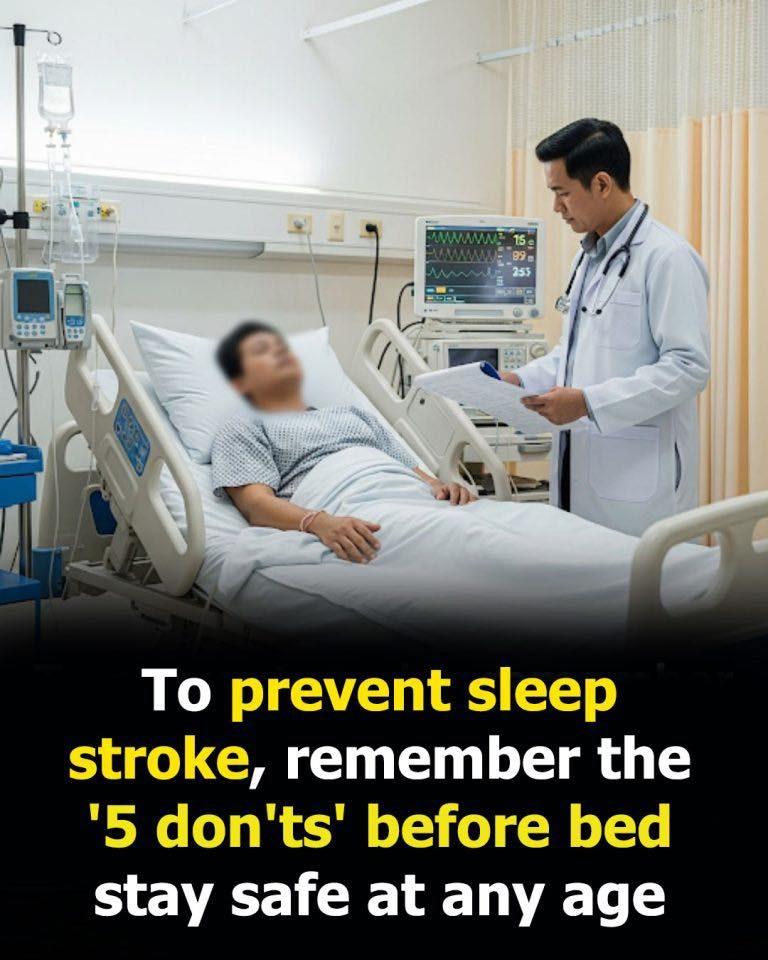
Here’s a clear, evidence-based explanation without fear-mongering. “Silent stroke” is a real medical term—but it’s often misunderstood.
A Silent Stroke Can Strike Unexpectedly — These Small Habits Can Help Protect You
A silent stroke (also called a silent cerebral infarct) is a small interruption of blood flow in the brain that doesn’t cause obvious stroke symptoms like paralysis or slurred speech. Many people don’t realize it happened until it’s seen on a brain scan.
While “silent,” these strokes are not harmless. Over time, they increase the risk of:
- Major stroke
- Memory loss and dementia
- Balance and walking problems
Who Is More at Risk
- Adults over 55
- High blood pressure
- Diabetes
- Smoking
- High cholesterol
- Atrial fibrillation (irregular heartbeat)
- Poor sleep (especially sleep apnea)
Small Habits That Can Lower Your Risk
1. Control Blood Pressure (Most Important)
High blood pressure is the #1 cause of silent strokes.
- Check it regularly
- Reduce salt
- Take prescribed medication consistently
2. Walk Daily
Even 20–30 minutes a day improves circulation, lowers pressure, and protects brain blood vessels.
3. Protect Your Sleep
Poor sleep stresses blood vessels.
- Aim for 7–8 hours
- Treat loud snoring or gasping (possible sleep apnea)
4. Manage Blood Sugar
Uncontrolled glucose damages small brain vessels.
- Limit refined sugars
- Follow diabetes or prediabetes care plans
5. Don’t Ignore “Small” Neurological Changes
Even subtle signs matter:
- New balance problems
- Mild memory changes
- Trouble concentrating
- Slower thinking
Report persistent changes to a doctor.
6. Stay Hydrated
Dehydration thickens blood and raises clot risk—especially in older adults.
7. Quit Smoking (or Don’t Start)
Smoking damages blood vessels and doubles stroke risk.
8. Eat for Vessel Health
Focus on:
- Vegetables and fruits
- Nuts, seeds, olive oil
- Fish
- Whole grains
(Mediterranean-style eating is strongly protective)
9. Take Heart Rhythm Issues Seriously
Irregular heartbeat (atrial fibrillation) can cause silent clots. Treatment dramatically reduces stroke risk.
Important Perspective
- Silent strokes can’t be felt, but their effects add up
- They are preventable in many cases
- Small daily habits matter more than drastic changes
When to See a Doctor
Ask for evaluation if you have:
- High blood pressure or diabetes
- New memory or balance changes
- Family history of stroke
- Irregular heartbeat
Bottom Line
A silent stroke isn’t about sudden fear—it’s about long-term vessel care. Consistent, simple habits protect your brain far more effectively than any “miracle” solution.
If you want, I can:
- Create a daily brain-protective routine
- Explain silent vs. major stroke warning signs
- Share foods that support brain blood flow
Just tell me how you’d like to continue.
