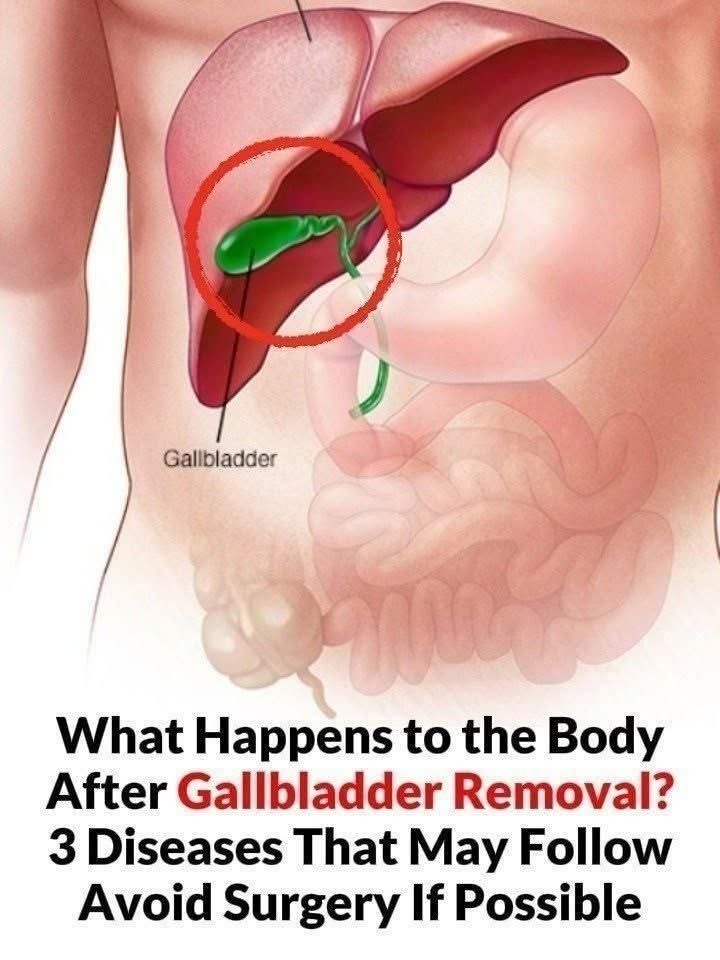
Gallbladder removal (cholecystectomy) is a common and generally safe procedure that is often recommended when gallstones or gallbladder disease cause repeated pain, inflammation, infection, or other complications. The idea that people should “avoid the surgery whenever possible” is not accurate for everyone—sometimes surgery prevents serious problems.
That said, some people may experience changes after gallbladder removal. Possible issues include:
1. Digestive changes
- Without a gallbladder, bile flows continuously into the intestine instead of being stored and released after meals.
- Some people develop looser stools, urgency, bloating, or discomfort, especially after fatty meals.
2. Bile-related diarrhea
- A small number of people experience ongoing diarrhea related to increased bile acids reaching the colon.
- This can often be managed with diet changes and, when needed, medical treatment.
3. Changes in fat digestion
- Some people have difficulty tolerating large amounts of fatty foods after surgery.
- Eating smaller meals and reducing very high-fat foods may help.
When gallbladder removal may be necessary
Doctors may recommend surgery for problems such as:
- Recurrent painful gallstone attacks
- Gallbladder infection (cholecystitis)
- Blocked bile ducts
- Certain complications from gallstones
Supporting gallbladder health
- Maintain a healthy weight and avoid rapid weight loss.
- Eat a balanced diet with enough fiber.
- Limit excessive intake of highly processed, high-fat foods.
- Seek medical advice for repeated upper abdominal pain, nausea, fever, or jaundice.
If you are considering gallbladder surgery or have already had it, the best approach depends on your symptoms, test results, and overall health—not avoiding surgery in all cases.
