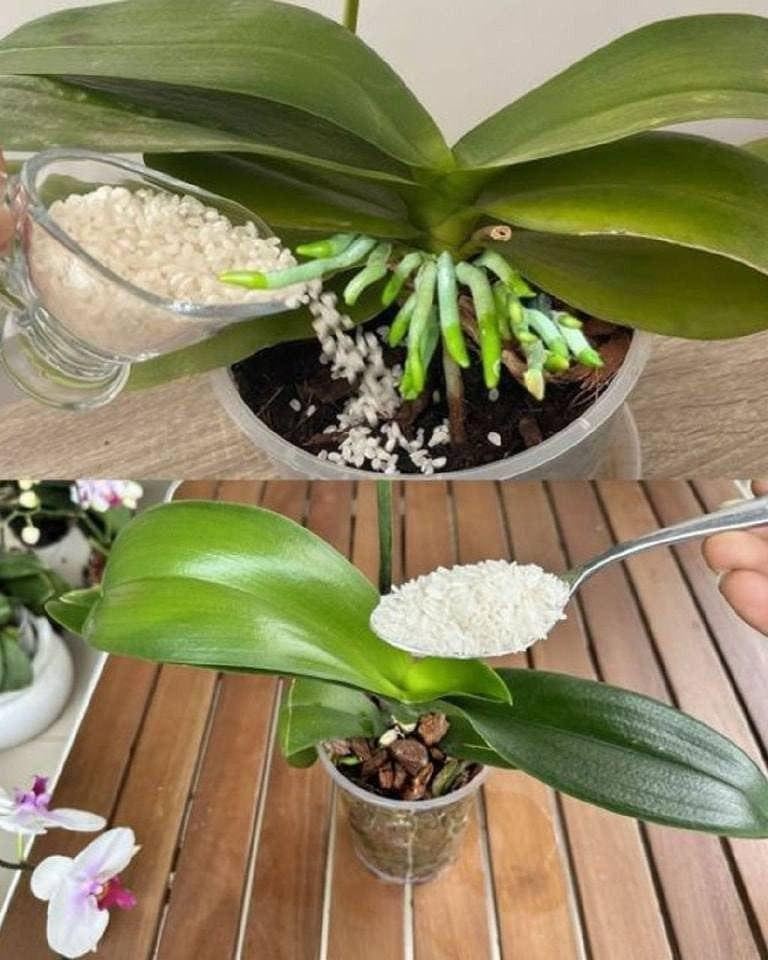
Getting an orchid to bloom beautifully isn’t about “more fertilizer”—it’s about the right type, timing, and balance. Overfeeding is actually one of the most common mistakes.
Here’s how to fertilize your orchid properly so it blooms longer and stronger:
🌸 How to Fertilize Orchids for Maximum Blooms
1️⃣ Use the Right Fertilizer
- Choose a balanced orchid fertilizer (like 20-20-20)
- Or one labeled specifically for orchids
👉 Orchids need small, steady nutrients—not heavy feeding
2️⃣ Follow the “Weakly, Weekly” Rule
- Dilute fertilizer to ¼–½ strength
- Feed once a week during active growth
👉 Too much fertilizer can burn roots and stop blooming
3️⃣ Water First, Then Fertilize
- Always water the orchid before adding fertilizer
👉 Prevents root damage and helps nutrients absorb better
4️⃣ Adjust for Growth vs Bloom Phase
🌱 During Growth (Leaves & Roots)
- Use balanced fertilizer regularly
🌼 Before Blooming
- Switch to a higher phosphorus formula (like 10-30-20)
👉 Encourages flower spikes and buds
5️⃣ Flush the Pot Monthly
- Run plain water through the pot once a month
👉 Removes salt buildup from fertilizers
🌿 Extra Tips for Long-Lasting Blooms
- Bright indirect light is essential
- Keep temperatures moderate (not too hot or cold)
- Maintain humidity (40–60%)
- Don’t overwater—roots should dry slightly between watering
⚠️ Common Mistakes
- Over-fertilizing (causes leaf growth but no flowers)
- Using full-strength fertilizer
- Fertilizing a dry plant
- Ignoring light conditions (fertilizer alone won’t fix poor light)
⚖️ Bottom Line
To get orchids to bloom profusely:
- ✔️ Use diluted fertilizer regularly
- ✔️ Match feeding to growth stage
- ✔️ Combine with proper light and care
👉 Fertilizer helps—but light and consistency are the real keys to blooming.
If you want, tell me your orchid type (like Phalaenopsis or Dendrobium), and I can give you a precise blooming schedule tailored to it.
