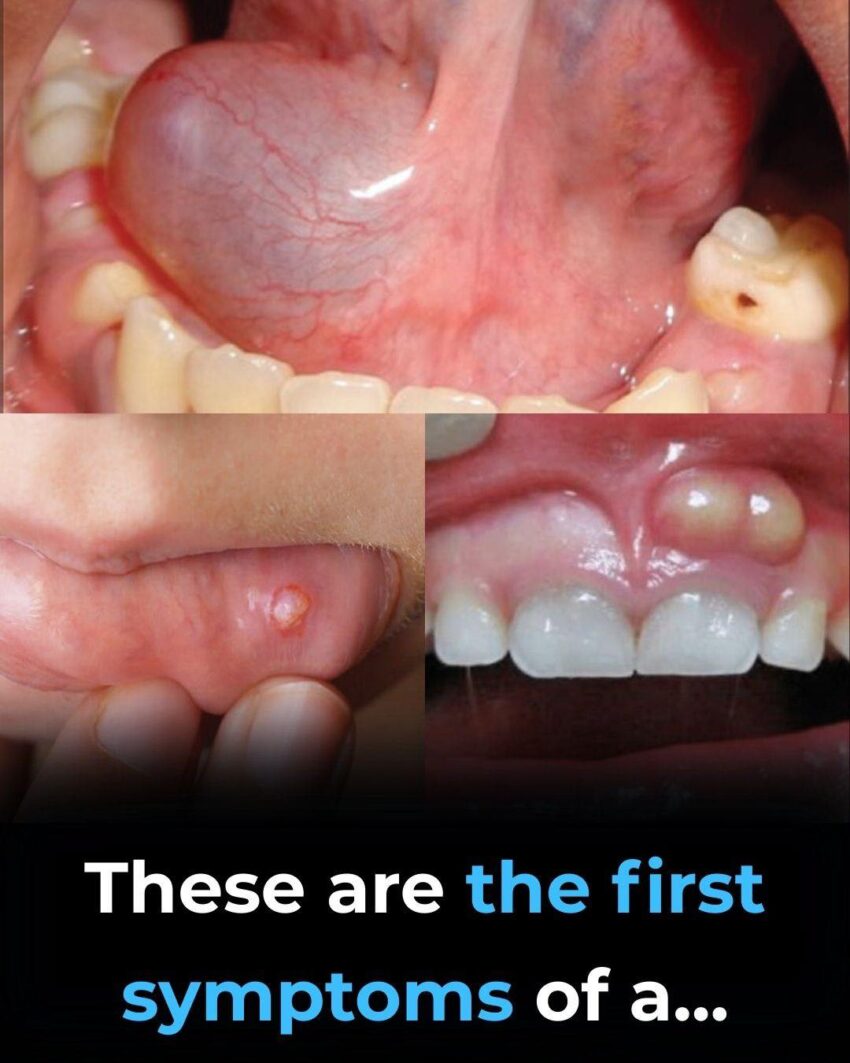
Oral cancer often starts quietly, and early signs are easy to miss or dismiss as minor mouth problems. Knowing what to look for can make a life-saving difference. 🦷🩺
Below are early warning signs of oral cancer that deserve attention—especially if they persist longer than 2 weeks.
Early Signs of Oral Cancer to Watch For
1. Sores That Don’t Heal
- Mouth sores, ulcers, or cracks that don’t heal within 2–3 weeks
- May bleed easily or feel tender
⚠️ This is one of the most common early signs
2. Red or White Patches (or Both)
- White patches (leukoplakia)
- Red patches (erythroplakia)
- Mixed red-and-white areas
These patches are often painless but can be precancerous.
3. Persistent Pain, Burning, or Numbness
- Ongoing pain in the mouth, tongue, jaw, or lips
- Tingling or loss of sensation
Pain is not always present early, which is why changes matter.
4. Lumps, Thickened Areas, or Rough Spots
- Any hard lump or thick patch in:
- Cheek
- Tongue
- Gums
- Floor of the mouth
- May feel different from surrounding tissue
5. Difficulty Chewing, Swallowing, or Moving the Jaw
- Feeling like something is stuck in the throat
- Jaw stiffness or pain when opening the mouth
- Changes in how dentures fit
6. Persistent Hoarseness or Voice Changes
- Hoarseness lasting more than 2–3 weeks
- Especially concerning if combined with mouth or throat symptoms
7. Unexplained Bleeding in the Mouth
- Bleeding without injury
- Especially from gums, tongue, or inner cheek
8. Ear Pain Without Ear Infection
- Referred pain to the ear
- Often on one side only
Who Is at Higher Risk
You should be extra vigilant if you:
- Smoke or use smokeless tobacco
- Drink alcohol regularly
- Have HPV exposure
- Are over 40
- Have prolonged sun exposure to the lips
- Have a history of head or neck cancer
When to See a Doctor or Dentist
See a professional promptly if:
- Any symptom lasts longer than 2 weeks
- Symptoms are worsening
- You notice multiple signs together
Dentists are often the first to spot oral cancer during routine exams.
Bottom Line
Oral cancer is highly treatable when caught early, but dangerous when ignored.
Most mouth changes are harmless—but persistent, unusual, or worsening changes should never be ignored.
If you want, I can also help with:
- How to do a 2-minute oral self-exam at home
- Differences between canker sores and cancer
- Photos explained (what’s concerning vs normal)
- Questions to ask your dentist or doctor
Just tell me what you’d like.
