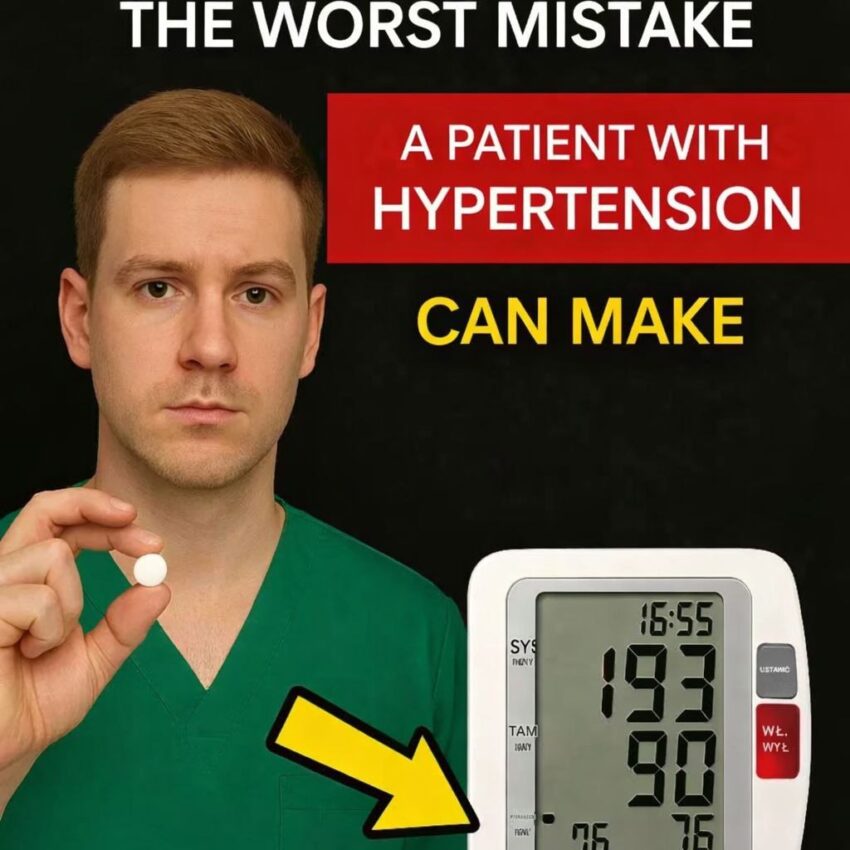
Measuring blood pressure at home is actually very useful—but only if it’s done correctly. Many “high readings” online or at home are just technique errors, not real hypertension.
🩺 How to properly measure blood pressure at home
1. Prepare correctly (this matters a lot)
Before measuring:
- Sit quietly for 5 minutes
- Avoid caffeine, smoking, or exercise for 30 minutes
- Empty your bladder if needed
- Sit with back supported, feet flat on the floor
- Don’t talk during measurement
2. Use the right equipment
- Use a validated automatic upper-arm cuff (not wrist/finger devices if possible)
- Cuff size must match your arm circumference (too small = falsely high readings)
3. Proper positioning
- Arm resting on a table
- Cuff at heart level
- Palm facing up
- Legs uncrossed
4. Take multiple readings
- Take 2 readings, 1 minute apart
- Record both (or average them)
- Measure at the same time daily (morning is best for tracking trends)
📊 What your numbers mean
Normal:
- Below 120/80 mmHg
Elevated:
- 120–129 / less than 80
High blood pressure (hypertension):
- Stage 1: 130–139 / 80–89
- Stage 2: ≥140 / ≥90
⚠️ When you should really worry
🚨 Seek urgent care if:
- 180/120 or higher, especially with symptoms
🚨 Dangerous symptoms with any reading:
- chest pain
- shortness of breath
- severe headache
- weakness or numbness on one side
- confusion or vision changes
These could indicate stroke, heart attack, or hypertensive crisis.
⚠️ See a doctor soon if:
- Your home readings are consistently ≥135/85
- You notice rising trends over several days
- You need frequent re-checks to get “normal” readings
🧠 Common mistakes that cause false high readings
- talking during measurement
- caffeine or smoking beforehand
- wrong cuff size
- arm hanging down instead of supported
- anxiety (“white coat effect” at home too)
🧾 Bottom line
- One high reading ≠ hypertension
- Patterns over days/weeks matter most
- Technique errors are extremely common
- True emergencies are rare but have clear warning signs
If you want, I can show you a simple 7-day home BP tracking plan doctors actually use to diagnose hypertension accurately.
