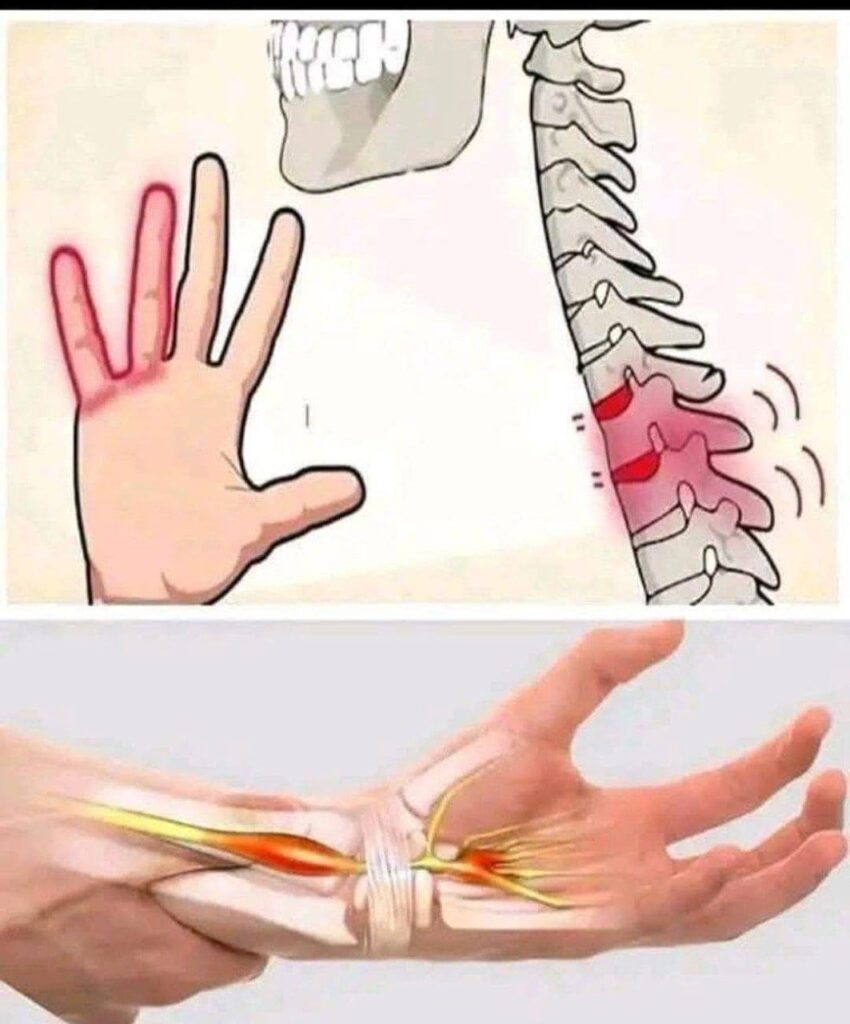
From a Traditional Chinese Medicine (TCM) perspective, numbness and tingling aren’t just nerve symptoms—they’re seen as a problem with the flow of vital energy, or Qi, and blood in the body.
🌿 How TCM explains numbness & tingling
In TCM, these sensations are usually described as “Bi syndrome” (blockage), where circulation is impaired in the body’s channels, called Meridians.
⚠️ Common TCM patterns behind these symptoms
1. Qi and Blood deficiency
- Not enough nourishment reaching the limbs
- Symptoms:
- Numbness
- Weakness
- Fatigue
👉 Often seen in older adults or after illness
2. Qi stagnation & Blood stasis
- Energy and blood aren’t flowing smoothly
- Symptoms:
- Tingling
- Fixed or sharp pain
- Worsens with inactivity
3. Wind invasion
- External “wind” disrupts circulation
- Symptoms:
- Sudden numbness
- Moving sensations (comes and goes)
4. Dampness or phlegm blockage
- Heaviness and obstruction in the body
- Symptoms:
- Tingling with heaviness
- Swelling or sluggish feeling
5. Liver and Kidney imbalance
- In TCM, these organs nourish tendons and nerves
- Symptoms:
- Chronic numbness
- Weak lower back or knees
🌿 Common TCM approaches
🪡 Acupuncture
- Stimulates meridians to restore Qi flow
🌱 Herbal formulas
- Customized blends to:
- Nourish blood
- Move Qi
- Remove dampness
🧘 Lifestyle practices
- Tai Chi or Qi Gong to improve circulation
- Warm foods and avoiding cold exposure
🧠 Important modern perspective
While TCM uses a different framework, numbness and tingling can also relate to medical conditions like:
- Peripheral Neuropathy
- Diabetes Mellitus
- Vitamin deficiencies
👉 So it’s important not to rely only on TCM if symptoms are persistent.
✅ Bottom line
In TCM, numbness and tingling are usually due to blocked or insufficient flow of Qi and blood. Treatment focuses on restoring balance and circulation—but it should ideally be combined with modern medical evaluation for safety.
If you want, I can suggest specific TCM remedies or acupressure points based on your exact symptoms (hands, feet, one side, etc.).
