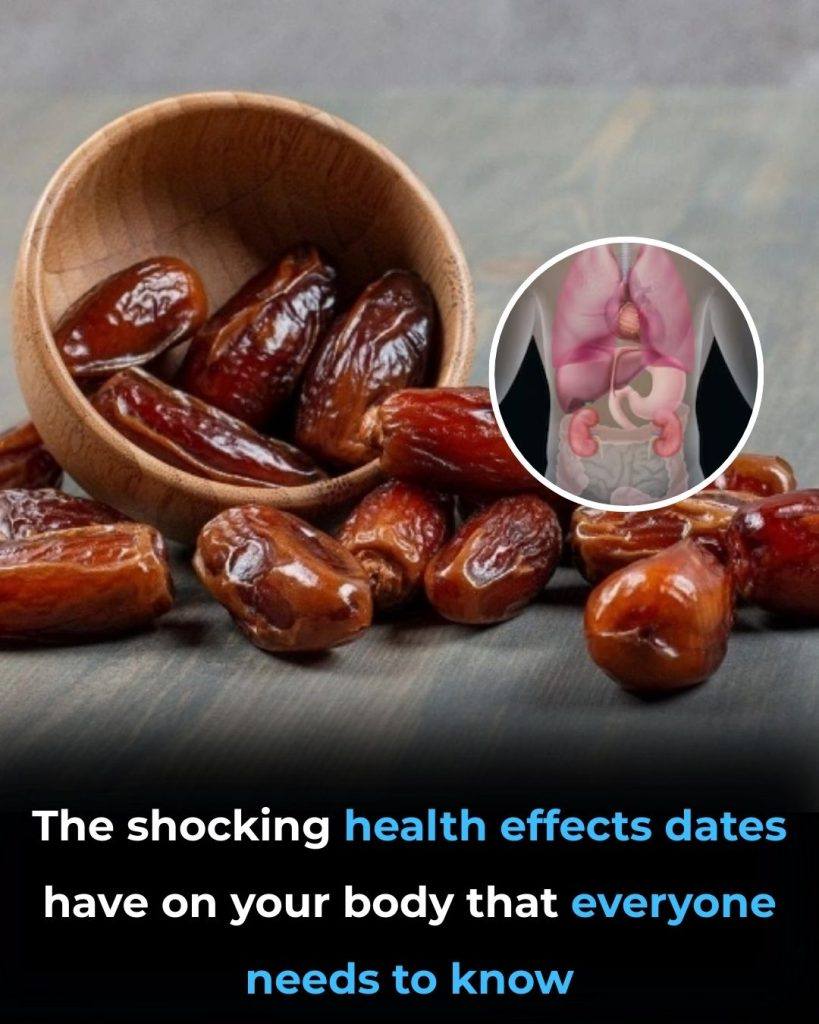
Absolutely! Dates—whether fresh, dried, or Medjool—aren’t just sweet treats; they have several science-backed health benefits. Here’s a detailed, evidence-based breakdown: 🌴✨
1. Rich in Nutrients
Dates are nutrient-dense, providing:
- Fiber: 6–7 g per 100 g (aids digestion and satiety)
- Potassium: Supports heart health and blood pressure regulation
- Magnesium & Calcium: Supports bones and muscle function
- Vitamins: B-complex vitamins, vitamin K, and antioxidants like carotenoids and flavonoids
2. Natural Energy Boost
- Dates are high in natural sugars (glucose, fructose, sucrose), making them excellent for quick energy.
- Great as a pre-workout snack or a natural sugar alternative in recipes.
3. Digestive Health
- High fiber content helps:
- Promote regular bowel movements
- Prevent constipation
- Support a healthy gut microbiome
4. Heart Health
- Potassium + magnesium help regulate blood pressure.
- Fiber and antioxidants can reduce LDL cholesterol (bad cholesterol) and inflammation.
- May lower the risk of heart disease when included in a balanced diet.
5. Bone Health
- Contain calcium, phosphorus, magnesium, and vitamin K—all vital for maintaining strong bones.
- May help prevent osteoporosis and support bone density over time.
6. Blood Sugar Regulation (In Moderation)
- Dates have a low to medium glycemic index, so small portions don’t spike blood sugar dramatically.
- Paired with nuts or protein, they make a balanced snack even for people monitoring blood sugar.
7. Antioxidant & Anti-Inflammatory Effects
- Contain polyphenols, flavonoids, and carotenoids
- Help fight oxidative stress and reduce inflammation, which is linked to chronic diseases like diabetes, heart disease, and neurodegeneration.
8. Brain Health
- Antioxidants in dates may protect neurons from oxidative stress and inflammation.
- Some studies suggest regular consumption could support cognitive function and reduce Alzheimer’s risk.
9. Pregnancy & Labor Support
- Eating dates in late pregnancy may aid cervical dilation and reduce labor time, according to some clinical studies.
How to Eat Dates
- Fresh: Juicy and sweet, perfect as a snack or in smoothies
- Dried: Concentrated sweetness for baking or energy bars
- Medjool: Large, soft, and caramel-like—great for stuffing with nuts
Tip: Because dates are calorie-dense, moderation is key—2–4 dates per day are generally enough to enjoy benefits.
✅ Bottom Line: Dates are more than a sweet treat—they’re a nutrient-packed, antioxidant-rich food that supports digestion, heart health, bone strength, and even brain function.
If you want, I can make a “Top 5 Ways to Eat Dates Daily for Maximum Health Benefits” guide—easy, tasty, and backed by science.
Do you want me to do that?
