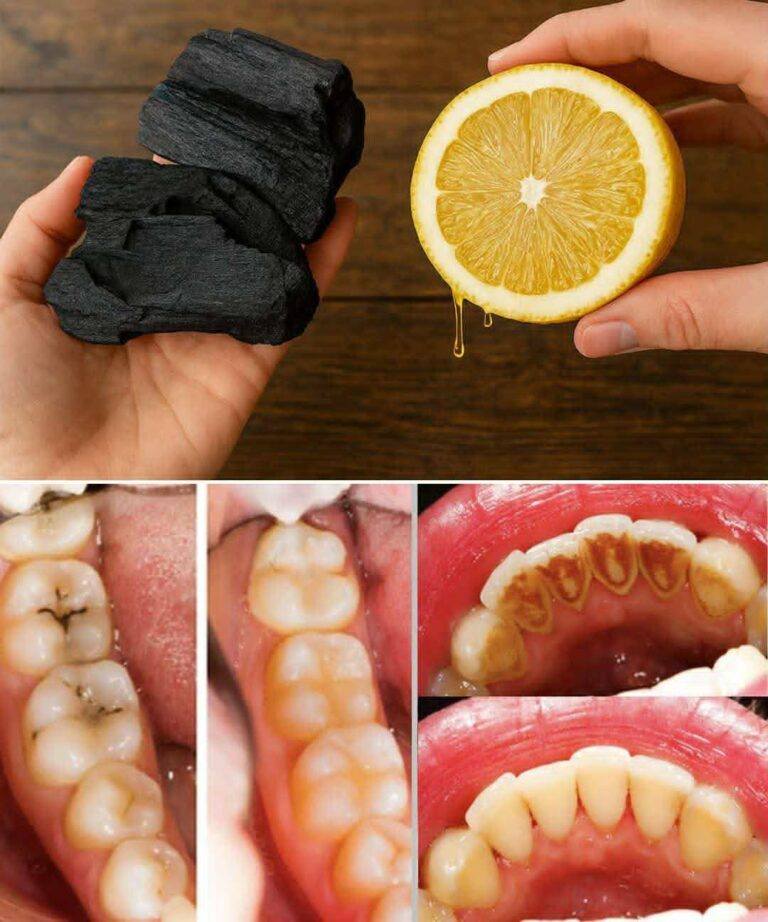
The combo of lemon juice + activated charcoal is popular on social media for whitening teeth and “detoxing” skin — but it’s important to separate hype from science.
🍋 Lemon Juice + Activated Charcoal: What’s Really Going On?
🦷 For Teeth Whitening
Why people think it works:
- Activated charcoal binds to surface stains.
- Lemon juice is acidic and can lighten stains.
The problem:
- Lemon juice is highly acidic (low pH).
- Acid erodes tooth enamel.
- Once enamel is gone, it doesn’t grow back.
- Charcoal is abrasive and can wear enamel over time.
🚨 Combining acid + abrasion = higher risk of:
- Tooth sensitivity
- Yellowing (from enamel thinning)
- Long-term damage
Dentists generally advise against this mixture for whitening.
Safer alternatives:
- Whitening toothpaste with fluoride
- Professional whitening
- Limiting coffee, tea, red wine
- Good brushing and flossing habits
🧖♀️ For Skin “Detox” Masks
Why people use it:
- Charcoal absorbs oil and impurities.
- Lemon is thought to brighten skin.
The risks:
- Lemon can cause:
- Irritation
- Chemical burns
- Increased sun sensitivity (phytophotodermatitis)
- Especially risky for sensitive or darker skin tones.
Charcoal alone can help oily skin when used occasionally.
Adding lemon often causes more harm than benefit.
What Actually Helps Skin and Teeth
For Teeth:
- Fluoride toothpaste
- Regular dental cleanings
- Limiting acidic exposure
For Skin:
- Gentle cleanser
- Sunscreen daily
- Moisturizer suited to skin type
- Exfoliating 1–2x per week (not daily)
⚠️ “Natural” Doesn’t Automatically Mean Safe
Many DIY beauty hacks:
- Skip safety testing
- Ignore pH balance
- Overlook long-term damage
If you’d like, tell me your goal:
- Whiter teeth?
- Brighter skin?
- Oil control?
- Acne?
- Dark spots?
I can suggest safer, evidence-based options that actually work without risking damage.
