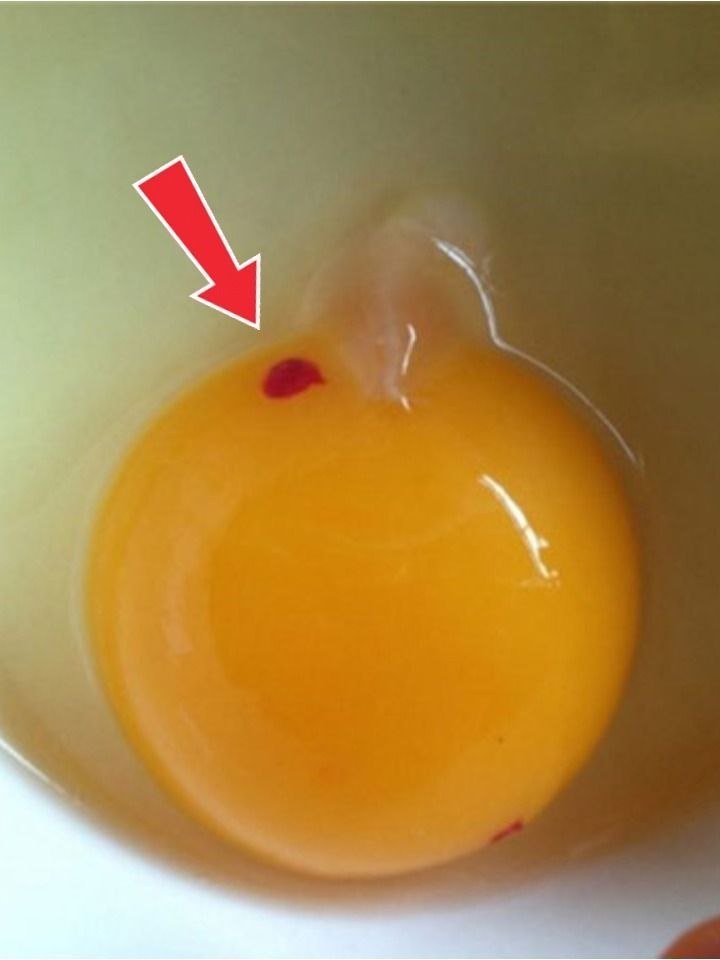
Finding red or pink floaty bits inside a cracked egg can look alarming — but in most cases, it’s normal and safe.
Here’s what you’re likely seeing:
🥚 1️⃣ Blood Spots (Very Common & Harmless)
These are small red or brown specks in the yolk or white.
Why they happen:
- A tiny blood vessel in the hen’s ovary or oviduct ruptured while the egg was forming.
- It’s natural and more common in farm-fresh eggs, but can appear in store-bought eggs too.
Are they safe?
✅ Yes. They are not fertilized embryos.
You can simply remove the spot with a spoon and cook as usual.
🥚 2️⃣ Meat Spots
These are brown, red, or slightly grayish tissue flecks.
What they are:
- Tiny bits of reproductive tissue from the hen.
- Harmless and safe to eat.
⚠️ When It’s NOT Normal
Discard the egg if you notice:
- ❌ Strong sulfur or rotten smell
- ❌ Pink, green, or iridescent egg white (possible bacterial contamination)
- ❌ Cloudy liquid with an off odor
- ❌ Shell cracked long before purchase
If the egg smells normal and looks otherwise typical, it’s safe.
💡 Extra Tip: How to Check Freshness
Place the egg in a bowl of water:
- 🥚 Sinks and lays flat → Very fresh
- 🥚 Stands upright → Older but usable
- 🥚 Floats → Discard
Bottom Line
Small red floaty bits are usually just blood spots and not a warning sign. They’re harmless and safe to eat unless accompanied by a bad smell or unusual discoloration.
If you’d like, I can also explain why modern egg grading reduces blood spots but doesn’t eliminate them completely.
