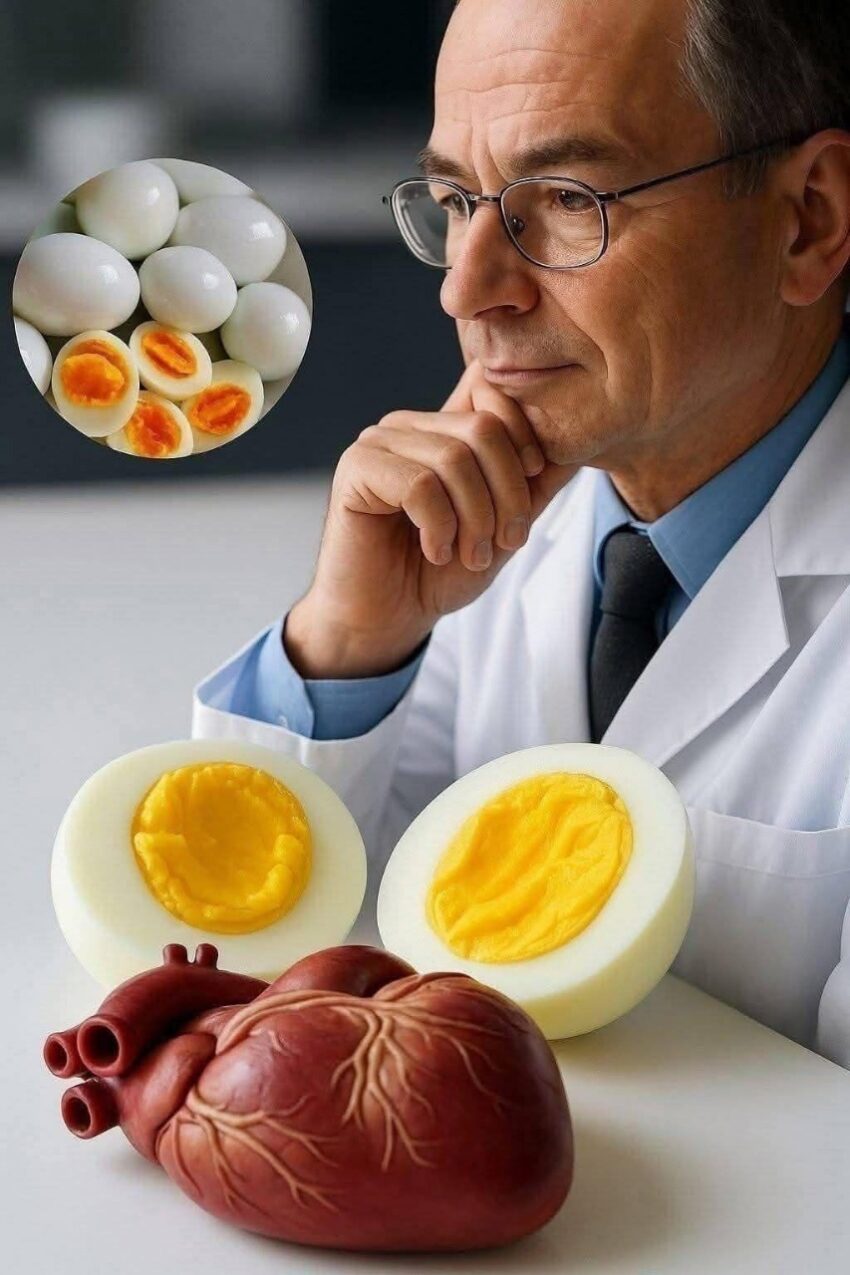
Here’s a clear, doctor-backed explanation of what actually happens to your body when you eat eggs for breakfast—including the part many people (especially older generations) were never told.
This Is What Happens to Your Body When You Eat Eggs for Breakfast
For years, eggs were misunderstood. Many people were told to avoid them because of cholesterol. What doctors now explain is more nuanced—and often surprising.
1. You Stay Full Longer
Eggs are rich in high-quality protein and healthy fats, which slow digestion. That means:
- Less mid-morning hunger
- Fewer cravings for sugar or refined carbs
- Better appetite control throughout the day
This is one reason doctors often recommend eggs for people trying to manage weight or blood sugar.
2. Your Blood Sugar Stays More Stable
Unlike sugary cereals or pastries, eggs don’t spike blood sugar. Pairing eggs with fiber (like vegetables or whole-grain toast) helps:
- Reduce insulin spikes
- Lower the risk of energy crashes
- Support diabetes and prediabetes management
Many people don’t realize this until a doctor points it out.
3. Your Brain Gets a Nutrient It Needs
Eggs are one of the best sources of choline, a nutrient essential for:
- Memory
- Cognitive function
- Nervous system health
Choline deficiency is common, especially in older adults—and many people don’t know eggs are a key source.
4. Your Muscles Get Protected
Egg protein contains all nine essential amino acids, helping:
- Preserve muscle mass
- Support strength as you age
- Improve recovery and mobility
This is especially important for adults over 40, when muscle loss naturally accelerates.
5. Your Eyes Benefit (Quietly)
Egg yolks contain lutein and zeaxanthin, antioxidants that help protect against:
- Age-related macular degeneration
- Eye strain and vision decline
These benefits often go unnoticed until later in life.
6. Cholesterol Doesn’t React the Way You Were Taught
This is the part many doctors now emphasize:
- For most people, dietary cholesterol from eggs does NOT significantly raise blood cholesterol
- The body adjusts by producing less cholesterol on its own
- Saturated fats and ultra-processed foods matter far more
For many patients, doctors now say eggs can be part of a heart-healthy diet.
7. You May Eat Fewer Calories All Day
Studies consistently show people who eat eggs for breakfast often:
- Consume fewer calories at lunch
- Snack less
- Feel more satisfied overall
It’s not magic—it’s satiety.
Who Should Still Be Cautious
Doctors may advise moderation or guidance if you:
- Have advanced heart disease
- Have familial hypercholesterolemia
- Were told by your physician to limit dietary cholesterol
For everyone else, eggs are usually safe—and beneficial.
see why your mother didn’t know
For decades, nutrition advice focused narrowly on cholesterol numbers. Medicine has since learned that food quality, insulin response, and inflammation matter more than one nutrient alone.
If you want, I can also explain:
- How many eggs per week doctors now consider safe
- Whether egg whites vs whole eggs are better
- Best ways to cook eggs to keep them healthy
Just tell me.
