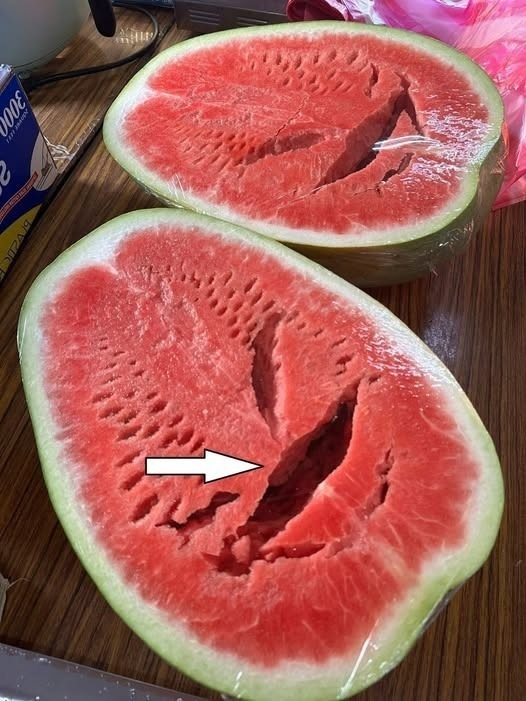
Watermelon is a large, refreshing fruit known for its high water content and sweet taste—especially popular in hot weather.
Watermelon
What it is
Watermelon is a vine-grown fruit with:
- Juicy red or pink flesh (sometimes yellow or orange varieties)
- Hard green rind
- Black or white seeds (some varieties are seedless)
Nutrition (why it’s popular)
Watermelon is mostly water (~90–92%), which makes it very hydrating. It also contains:
- Vitamin C (supports immunity and skin health)
- Vitamin A (good for eyes and skin)
- Lycopene (an antioxidant linked to heart health)
- Small amounts of potassium and magnesium
Health benefits
- Helps keep you hydrated in hot weather
- Light and low in calories
- May support heart health due to antioxidants
- Can help with muscle recovery (contains citrulline, a natural compound)
How to choose a good one
Look for:
- A uniform shape (round or oval, not oddly lopsided)
- A yellow field spot (where it rested on the ground—darker yellow = riper)
- A hollow sound when tapped (often suggests juiciness)
- A heavy feel for its size
How to eat it
- Fresh slices or cubes
- Juice or smoothies
- Fruit salads
- Blended into drinks with mint or lime
- Frozen as watermelon “ice cubes” for drinks
Storage tips
- Whole: keep at room temperature
- Cut: refrigerate in a covered container (best within 3–4 days)
If you want, I can also share simple watermelon drink recipes, or ways to tell if it’s overripe or spoiled before cutting it.
