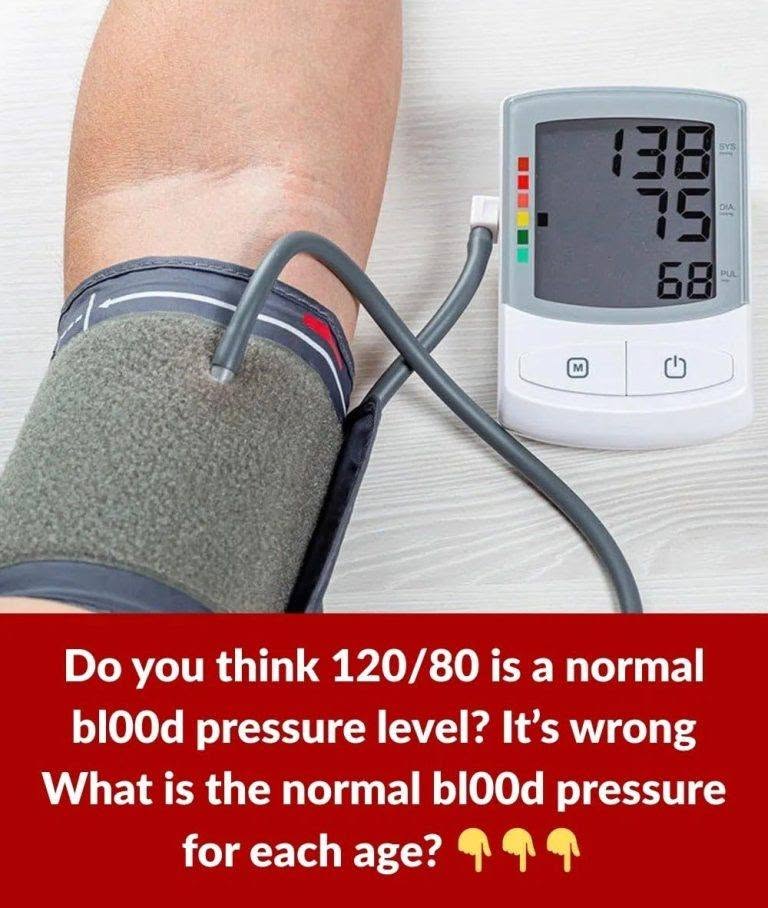
Blood pressure does not have a separate “normal” number for every age, but typical healthy ranges and targets vary somewhat as people grow older.
| Age group | Typical healthy blood pressure |
|---|---|
| Newborns | About 60–90 / 20–60 mmHg (varies widely) |
| Infants | About 87–105 / 53–66 mmHg |
| Children (1–12 years) | Roughly 90–120 / 60–75 mmHg (depends on height and development) |
| Teenagers (13–17 years) | Around 110–120 / 65–80 mmHg |
| Adults (18–39 years) | About 110–120 / 70–80 mmHg |
| Adults (40–59 years) | Often around 120–130 / 70–80 mmHg |
| Adults 60+ | Many people have readings around 120–130 / 70–80 mmHg, though targets may depend on health conditions |
For most adults, a reading below 120/80 mmHg is generally considered normal. Hypertension is usually defined as consistently elevated readings, not a single measurement.
General adult categories
- Normal: Less than 120/80
- Elevated: 120–129 and less than 80
- High blood pressure (Stage 1): 130–139 or 80–89
- High blood pressure (Stage 2): 140+ or 90+
A single high or low reading can happen because of stress, exercise, caffeine, illness, or measurement technique. Repeated readings taken correctly give a better picture.
