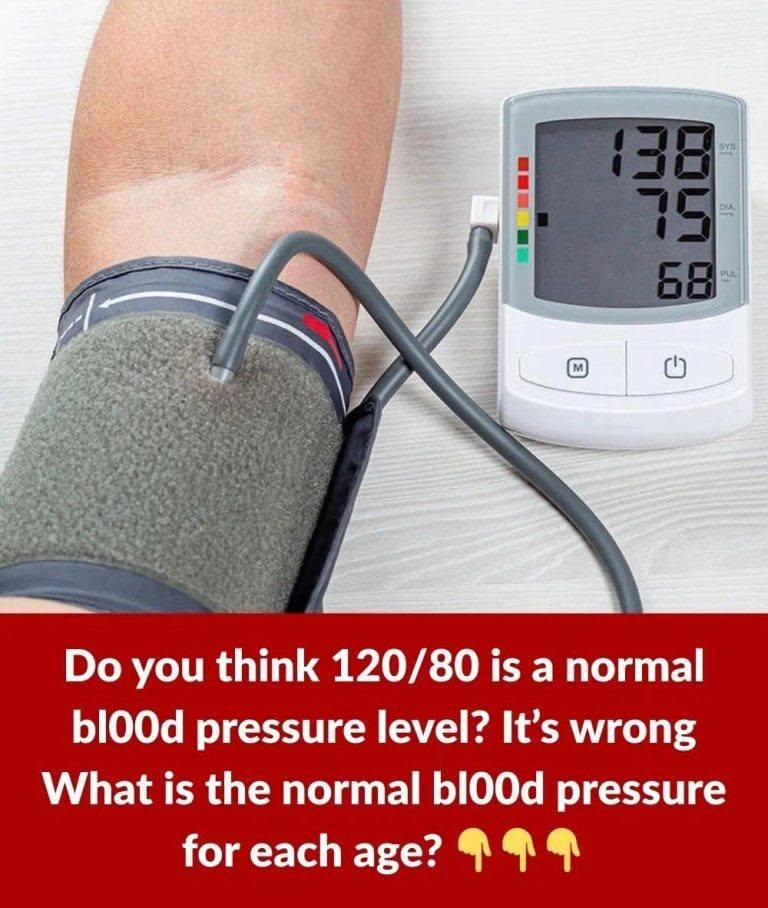
There isn’t a different “normal” blood pressure for every age group. For most adults, the same general categories apply.
| Age | Normal blood pressure |
|---|---|
| Children | Varies by age, sex, and height (assessed using pediatric charts) |
| Teenagers (13+) | Less than 120/80 mmHg is generally considered normal |
| Adults (18+) | Less than 120/80 mmHg |
For adults, blood pressure is commonly categorized as:
| Category | Systolic (top number) | Diastolic (bottom number) |
|---|---|---|
| Normal | Less than 120 | and less than 80 |
| Elevated | 120–129 | and less than 80 |
| Hypertension Stage 1 | 130–139 | or 80–89 |
| Hypertension Stage 2 | 140 or higher | or 90 or higher |
| Hypertensive crisis* | 180 or higher | and/or 120 or higher |
*A reading this high requires prompt medical evaluation, especially if accompanied by symptoms such as chest pain, shortness of breath, severe headache, confusion, vision changes, or weakness.
Blood pressure tends to change with age
While the normal target stays about the same, blood pressure often rises with age because arteries become stiffer. That means:
- Young adults often have readings around 110–120/70–80 mmHg.
- Many older adults have higher readings, but healthcare providers still generally aim to keep blood pressure below 130/80 mmHg for many people, depending on their overall health and individual circumstances.
The best way to know whether your blood pressure is healthy is to have it measured correctly on multiple occasions and discuss the results with your healthcare provider, who can interpret them based on your age, medical history, and medications.
