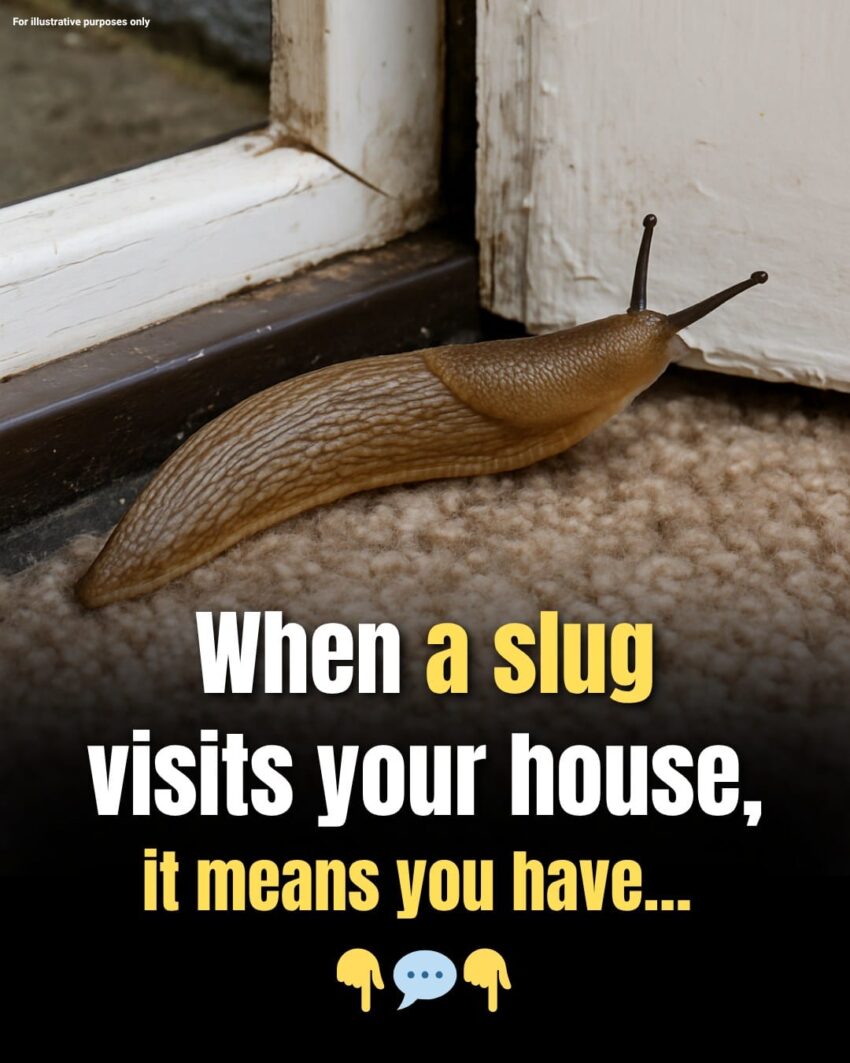
Slugs don’t get much love, but they’re actually more interesting—and important—than most people realize.
🐌 What slugs really are
Slugs are soft-bodied mollusks, closely related to snails but without an external shell. They belong to a group of animals that have been around for hundreds of millions of years.
🌱 1. They help recycle ecosystems
Slugs play a key role in breaking down organic material:
- Dead leaves
- Fungi
- Decaying plants
This process returns nutrients to the soil, helping plants grow. In that sense, they’re natural decomposers.
🐦 2. They’re part of the food chain
Even if they seem unimportant, many animals depend on them:
- Birds
- Frogs
- Beetles
- Hedgehogs
Without slugs, these species would lose a food source.
🧬 3. They’re surprisingly adaptable
Slugs can survive in:
- Wet forests
- Gardens
- Urban areas
- Even harsh, changing environments
Their ability to thrive in different conditions makes them ecologically resilient.
🧪 4. They’re useful in science
Slugs are studied in biology and neuroscience because:
- They have simple nervous systems
- Their nerve cells are large and easy to study
- They help scientists understand basic learning and memory mechanisms
🌧️ 5. They help indicate environmental health
Because they absorb substances through their skin, slugs can reflect:
- Soil quality
- Pollution levels
- Ecosystem balance
They act like small environmental “bio-indicators.”
🧾 Bottom line
Slugs may seem slow and slimy, but they’re actually:
- Important decomposers
- A food source for wildlife
- Useful in scientific research
- Indicators of ecosystem health
Not exactly glamorous—but definitely more valuable than they look.
